 Contact
 Help
Help






Silver Purity: The Complete Guide
 Gold & Silver 101



Not all silver is the same. A coin, a bar, a ring, and a set of cutlery can each be stamped with a different number (999, 958, 925, 900, or 800) and that number represents the piece’s silver purity: how much of it is actually silver, and how much is something else. This guide covers every purity of silver you’re likely to come across, what each one means, what it’s used for, and how to tell them apart.
Silver purity isn’t just a technical detail. It determines how a piece behaves, whether it belongs in a jewellery box or a vault, and what it’s actually worth if you weigh it against the current silver price. Below, we break down the millesimal fineness system, give you a full purity chart with values per gram, cover how to check a piece’s purity yourself, and help you work out which standard actually suits what you’re trying to do, whether that’s investing, buying jewellery, or figuring out what you already own.
Silver Purity Explained (The Millesimal System)
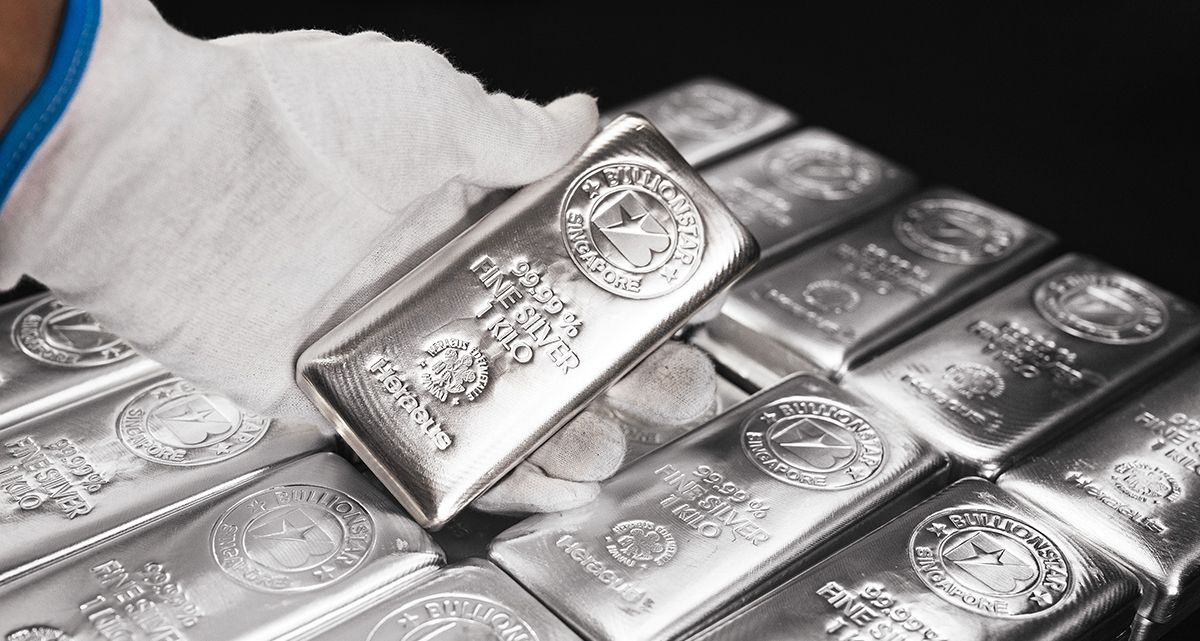
The purity of silver is most commonly measured using the millesimal fineness system. That is a number out of 1000 that shows how many of those 1000 parts are pure silver. A piece marked 925 is 925 parts silver to 75 parts other metal, or 92.5% pure. A piece marked 999 is 999 parts silver, essentially as pure as silver gets in practical use. The higher the number, the purer the metal.
There are five common silver purities found today. 999, fine silver, is the investment standard used for bars, coins, and rounds, too soft for most everyday jewellery or tableware. 958, Britannia silver, is a historic British standard still chosen occasionally by silversmiths for fine hand-crafted work. 925, sterling silver, is the global standard for jewellery, cutlery, and tableware, alloyed with copper for strength. 900, coin silver, was the standard for pre-1965 US coinage and early American silverware. And 800, continental silver, is common in European jewellery and silverware, particularly from Germany, Austria, and Eastern Europe.
Each of these gets a closer look further down this guide, covering what to look for, how they compare, and what they’re actually worth. Other purities exist, of course, from the 500 silver used in British coins between 1920 and 1946, to 830 silver, a Scandinavian standard still found on Norwegian and Swedish silverware, and 950 silver, the higher of France’s two historic hallmarking standards. None of these are that common today, but if you come across a number outside the five above, it may still be genuine silver, just marked to a different national or historical standard.
Silver Purity Chart
Use the table below as a quick reference for every major silver purity: what it’s made of, what it’s commonly called, what it’s typically used for, and how to work out its value in grams.
| Grade | Silver Content | Common Name | Typical Use | Value per Gram* |
|---|---|---|---|---|
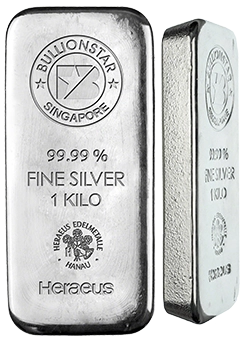
| 999 | 99.9% | Fine Silver | Bullion bars & coins | Spot price |
| 958 | 95.8% | Britannia Silver | Fine hand-crafted silverware | 0.958 × spot price |
| 925 | 92.5% | Sterling Silver | Jewellery, cutlery, tableware | 0.925 × spot price |
| 900 | 90.0% | Coin Silver | Antique American silverware, pre-1965 US coins | 0.9 × spot price |
| 800 | 80.0% | Continental Silver | European silverware & jewellery | 0.8 × spot price |
*Value per gram = the multiplier above × today’s silver spot price per gram.
To work out what a piece is actually worth, multiply its weight in grams by the multiplier for its purity, then multiply that by the current silver spot price. A 20 gram sterling silver item, for example, contains 20 × 0.925 = 18.5 grams of pure silver. Multiply that by today’s spot price to get its intrinsic value. Check the current price on our live silver price chart.
How to Check Silver Purity
There are several ways to check a piece’s silver purity, ranging from a quick visual check to lab-grade testing.
The fastest method is to look for any silver hallmark. Most sterling, Britannia, and continental silver is stamped with its fineness (925, 958, 800, and so on), sometimes alongside a maker’s mark or assay office symbol. It’s not foolproof on its own, since a stamp can be forged or a plated piece can carry a misleading mark, but it’s the right first step for most items.
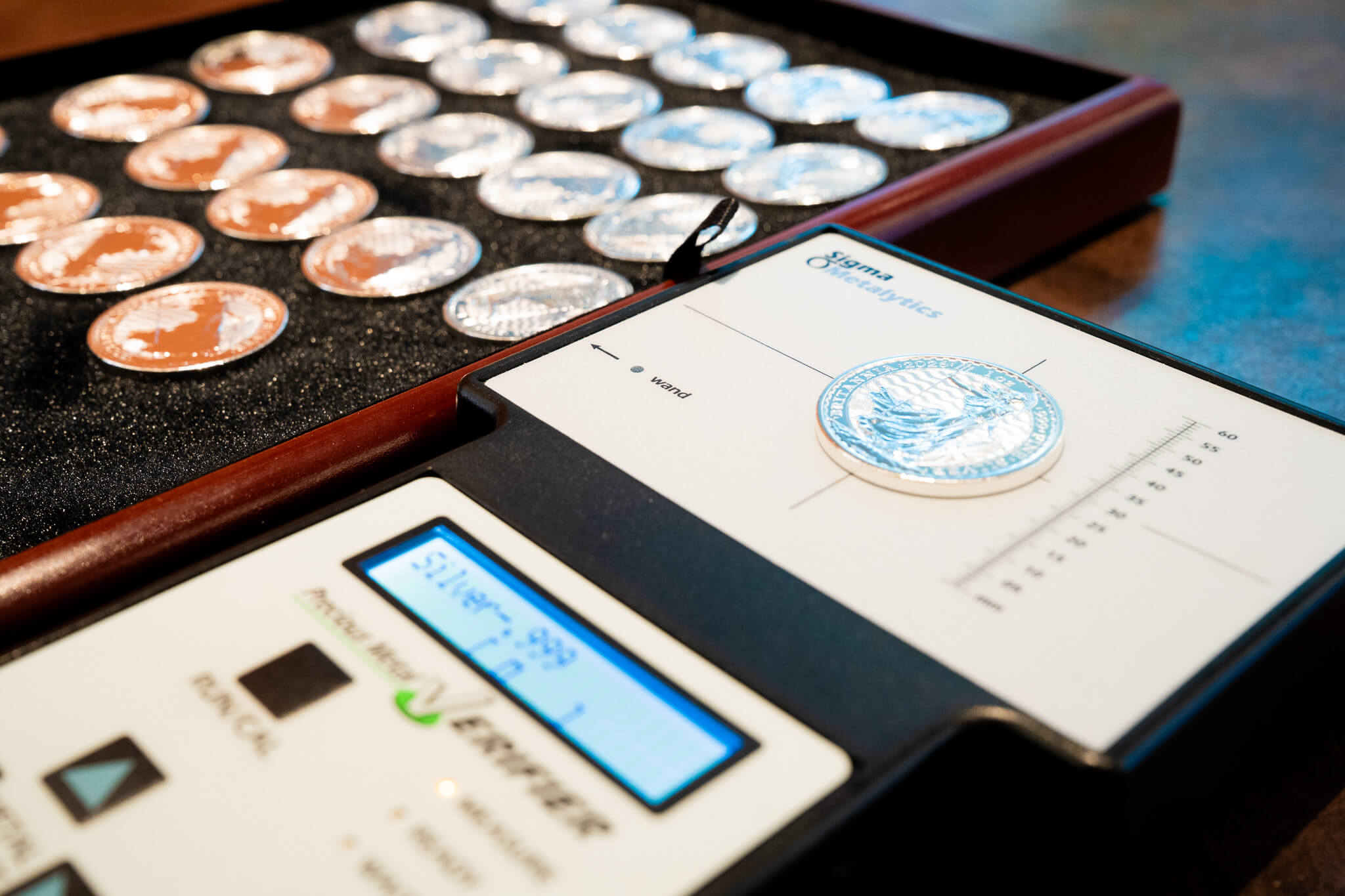
Beyond the hallmark, a few home and professional tests can confirm what the stamp claims. A magnet test rules out most fakes quickly, since silver isn’t magnetic and a piece strongly attracted to a magnet almost certainly isn’t solid silver. An acid test uses a drop of nitric acid on a small scratch to gauge purity by the colour reaction, effective but destructive to the piece. A specific gravity test weighs the item in air and in water and compares the result to silver’s known density, a reliable non-destructive method if you have the equipment. And XRF (X-ray fluorescence) testing, the method jewellers, dealers and refiners use, gives a precise purity reading without damaging the piece at all.
For a full walkthrough of each method, including step-by-step instructions and what to buy if you want to test at home, see our complete guide on how to test silver.
Britannia, Sterling, Coin and Continental Silver
Four purities make up the bulk of silver you’ll find hallmarked outside pure investment bullion. Here’s what distinguishes each.
Britannia Silver (958)
958 silver, better known as Britannia silver, is 95.8% pure, alloyed with copper. It was actually mandatory in England between 1697 and 1720, introduced to stop silversmiths melting down sterling coinage to make plate, and is marked with a seated Britannia figure rather than the lion passant used for sterling. It was also used by The Royal Mint for silver Britannia coins between 1997 and 2012.
Today it’s rare, chosen occasionally by silversmiths for its extra whiteness and softness for fine hand engraving, but uncommon enough that most buyers will only encounter it in antique or specialist pieces.
Sterling Silver (925)
Sterling silver’s purity sits at 92.5%, alloyed with copper for strength, and it’s by far the most common silver standard in the world, used for jewellery, cutlery, and tableware. It’s covered in full depth on our Sterling Silver guide, including what the 925 stamp means, what it’s worth, and how it compares to investment-grade silver.
Coin Silver (900)
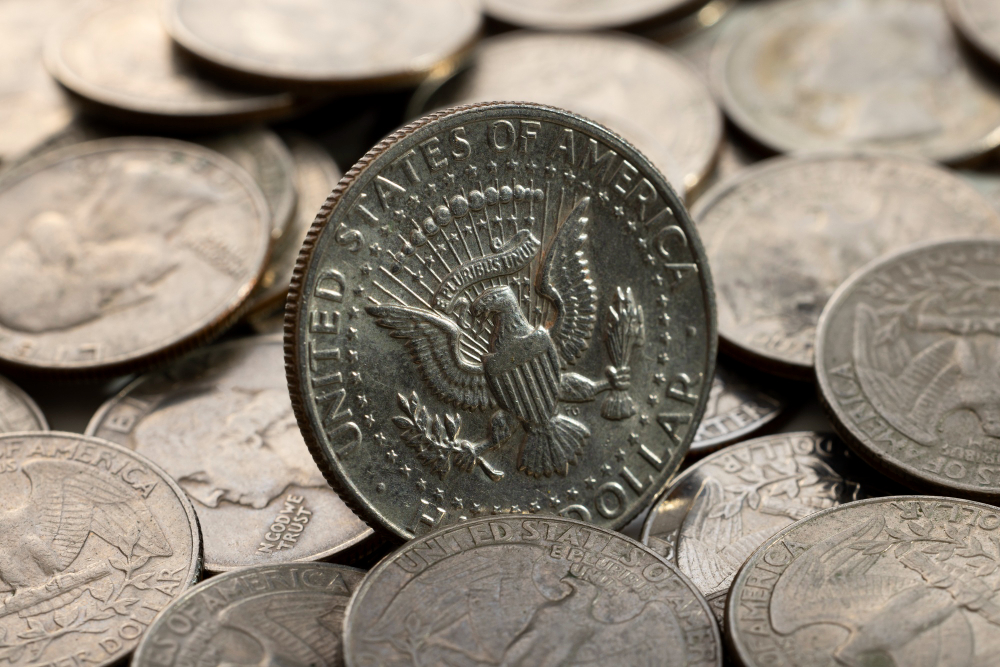
900 silver, commonly called coin silver, is 90% pure, and was the standard for pre-1965 US coinage and much of early American silverware before sterling became dominant in the mid-1800s. Genuine coin silver purity actually varied more than that flat figure suggests, sometimes as low as 800, so if you’re valuing an old American piece, it’s worth confirming the mark rather than assuming a fixed number.
Continental Silver (800)
800 silver, often called continental silver, is common across mainland Europe, particularly Germany, Austria, and Eastern Europe, where it was, and often still is, the standard fineness for silverware and jewellery. At 80% pure, it’s noticeably softer on silver content than sterling, which is worth factoring in if you’re weighing an 800 silver piece against its melt value.
Which Silver Purity Should You Buy?
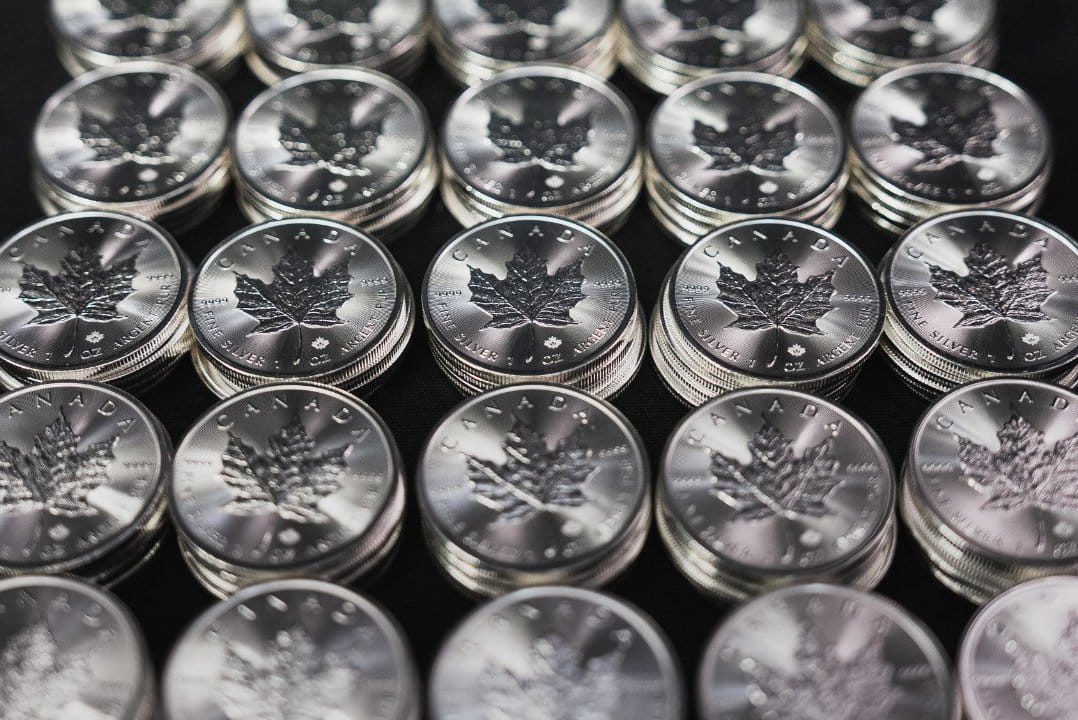
There’s no single “best" silver purity, only the right purity for what you’re trying to do. If you want to invest in silver, buy 999. If you want jewellery, cutlery, or tableware, 925 silver is the standard, and it’s not a lesser choice, it’s simply built for a different purpose.
999 fine silver is the investment standard. It’s what bars, coins, and rounds are made from, and in Singapore it’s the purity that actually qualifies for Investment Precious Metal (IPM) status and full GST exemption, a status 925 silver, and every other purity on this page, doesn’t meet. If your goal is holding silver as an asset, this is the purity to buy, and you can see the full range of 999 fine silver here.
You’ll also come across 9999 fine silver on some products, four nines rather than three. It’s a genuine, even higher purity, but in practice it makes no real difference. Both 9999 and 999 meet and exceed the IPM threshold, both trade on the same market, and a dealer will value either based on its actual silver content, not which one has the extra 9. Treat 999 and 9999 as functionally the same when buying or selling, the choice mostly comes down to which specific bar or coin you prefer.
925 silver is the jewellery and tableware standard, and for that purpose, it’s arguably the better choice, not the worse one. The copper alloy gives it the strength 999 silver lacks, so a sterling ring or fork actually survives daily use, something a pure silver piece would struggle to do. What it isn’t is an investment vehicle: its price includes craftsmanship and design, and it doesn’t carry the same tax treatment or liquidity as bullion.
So the real question isn’t which purity is better, it’s what you’re buying it for. Buying to hold value: 999. Buying to wear or use: 925.
Frequently Asked Questions
What is the highest purity of silver?
999 fine silver, 99.9% pure, is the standard investment grade, although some products go further to 9999 (99.99%). Beyond that, silver can’t realistically get much purer for practical use. In terms of value, though, 999 and 9999 are treated the same: a dealer prices both by their actual silver content, not by which one has the extra 9.
What does 925 mean on silver?
925 means the piece is 92.5% pure silver, alloyed with 7.5% other metal, almost always copper, a standard known as sterling silver. The number refers to parts per thousand: 925 parts silver to 75 parts alloy. It’s a genuine, legally recognised silver standard, not an indication of lower quality.
Is 999 silver better than 925?
Neither is objectively “better," they’re built for different purposes. 999 is purer and the standard for investment bullion, but it’s too soft for everyday jewellery. 925 sterling silver is alloyed with copper for durability, making it the standard for jewellery and tableware, at the cost of investment-grade purity.
How can I test silver purity at home?
Simple home tests include a magnet test (silver isn’t magnetic, so strong attraction rules out solid silver) and an acid test (a drop of nitric acid on a scratch reacts differently depending on purity). Neither is as precise as XRF testing. For a full walkthrough, see our guide on how to test silver.
What purity is investment silver?
Investment-grade silver is 999 fine (99.9% pure), the purity used for bars, coins, and rounds, and the minimum required to qualify as an Investment Precious Metal (IPM) for GST exemption in Singapore. Some products go to 9999, but 999 is the accepted market standard.
Does purity affect silver resale value?
Yes, directly. Resale value is calculated as weight × purity × the current silver spot price, so a higher purity means more actual silver content per gram, and a higher payout. Design and craftsmanship can add value on top for jewellery, but the underlying metal value always tracks purity.
Choosing Silver by Purity
Silver purity isn’t a single standard, it’s a spectrum, and where a piece sits on that spectrum tells you almost everything about what it’s for and what it’s worth. 999, and increasingly 9999, sit at the pure end, built for investment. 958, 925, 900, and 800 sit below it, each a genuine, legitimate standard developed for a different country, era, or purpose, from British silversmithing to French hallmarking to early American coinage.
None of that variety should be confusing once you know what to look for: read the hallmark, check it against the chart above, and you’ll know exactly what you’re holding.
If you’re buying with investment in mind, 999 fine silver bars and silver coins are the purity to look for. If it’s 925 sterling silver you’re trying to understand in more depth, from what it’s worth to how it compares to fine silver, see our dedicated Sterling Silver guide. And if pure 999/9999 bullion itself is what you want to know more about, our Fine Silver guide covers it in full.
Popular Blog Posts by Gold & Silver 101
 An Introduction to Gold & Silver Investing
 Should I Invest in Gold, Silver, or Platinum Bullion?
 Gold Coins vs Gold Bars: Which Is Better?
 How Is Gold Taxed in Singapore? The IPM GST Exemption Explained
 Storing Precious Metals, Gold, and Silver Bullion
 Gold & Silver Bullion Investing FAQs
 Karat vs Carat: What’s the Difference?
 Gold Purity: The Complete Guide
 How Much Gold Is There in the World?
 Junk Silver: What It Is and What It’s Worth