 Contact
 Help






Japan Gold Reserves: How Much Gold Does Japan Have?


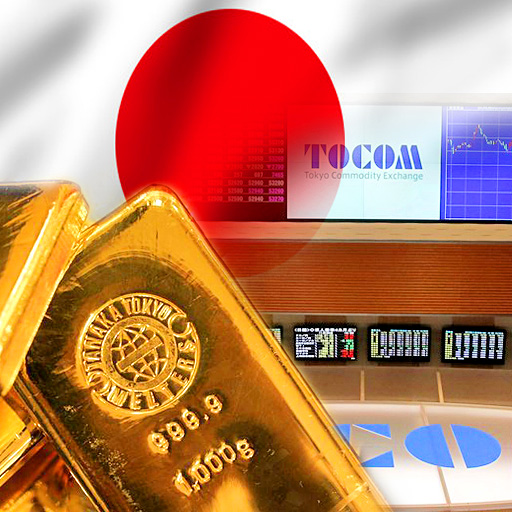
Japan holds 845.97 tonnes of gold, the ninth-largest of the official gold reserves in the world at the end of 2025. The gold is part of Japan’s official reserves, which are controlled mainly by the Ministry of Finance, with the Bank of Japan acting as its agent.
Gold plays a much smaller role in Japan’s reserves than in those of most other large holders. Japan has the world’s second-largest foreign currency reserves after China, mostly held in US dollar assets. As a result, gold makes up only a small share of the total, far less than in Germany, Italy or France, where it is around 80%.
For decades, the amount of gold Japan held barely changed. The one notable move came in December 2020, when the Ministry of Finance transferred 80 tonnes of gold that had been set aside for minting coins into the official reserves. That raised Japan’s reported holdings from about 765 tonnes to 846 tonnes. This page explains how much gold Japan has, who holds it, where it is stored, why it was transferred in 2020, and how Japan’s gold reserves have changed over time.
Highlights
- Japan holds 845.97 tonnes of gold, the ninth-largest official gold reserve in the world at the end of 2025.
- Gold makes up less than a tenth of Japan’s official reserves, which are held mainly in US dollar assets and are among the largest in the world.
- Japan’s gold is held partly by the Bank of Japan and partly by the Ministry of Finance, and neither discloses where it is stored.
- In December 2020, the Ministry of Finance transferred 80 tonnes of gold held for minting coins into the official reserves, raising ¥500 billion and lifting Japan’s reported holdings from about 765 to 846 tonnes.
How Much Gold Does Japan Have?
Japan holds 845.97 tonnes of gold, according to the World Gold Council. That is about 27.2 million troy ounces, which Japan’s Ministry of Finance valued at about $114 billion at the end of September 2026. The amount has not changed since the 2020 transfer of coin gold into the reserves.
| Japan’s gold reserves | Figure |
|---|---|
| Total gold holdings | 845.97 tonnes |
| In troy ounces | About 27.2 million oz |
| Approximate value (end-Sept 2026) | About $114 billion |
| Share of total reserves | 8.66% |
| World ranking | 9th (10th if the IMF is included) |
| Held in Japan | Not disclosed |
| Gold per resident | About 7 grams |
| Last change in holdings | December 2020 (transfer of 80 tonnes) |
Japan holds slightly less gold than India, at 880 tonnes, and more than Turkey and the Netherlands. What sets Japan apart is how small a part gold plays in its reserves. Japan’s total official reserves are worth about $1.2 trillion, the second-largest in the world after China’s, and gold makes up less than a tenth of that. In Germany, Italy and France, gold accounts for around 80% of reserves.
Japan’s reserves are made up mainly of US dollar assets, especially US Treasury bonds, which reflects its close economic and security ties with the US. The reserves exist mainly so that Japan can intervene in currency markets when needed to support the yen, and the Ministry of Finance has done so several times in recent years. Dollar assets that can be sold quickly are more useful for that purpose than gold.
Spread across a population of around 123 million, Japan’s reserve works out at about 7 grams of gold per person. That is much less than in Europe or the US: about 24 grams per person in the US, and 35–40 grams in France and Germany.
Who Holds Japan’s Gold?
In most countries, the central bank holds the gold reserves. Japan’s arrangement is different. Its official reserves are controlled mainly by the Ministry of Finance through the Foreign Exchange Fund Special Account, a government account used to manage the yen. The Bank of Japan acts as the Ministry’s agent, carrying out its transactions and currency interventions.
Japan’s gold is split between the two. The Bank of Japan holds gold on its own balance sheet, recorded at a fixed historical value of about ¥441 billion that has not changed for many years. This is far below its market value, because the bank does not revalue its gold at current prices, a similar situation to America’s gold reserves. The 80 tonnes transferred in 2020 went to the Ministry of Finance’s international division, which runs the Foreign Exchange Fund. Japan’s official reserve figures, published monthly by the Ministry, include the gold held by both. Neither publishes how the total is split between them.
That arrangement explains why Japan’s gold changed hands within the government in 2020 rather than being bought on the market, as covered below.

Where Is Japan’s Gold Stored?
Japan does not disclose where its gold is stored. Neither the Ministry of Finance nor the Bank of Japan has said whether the gold is kept in Japan, abroad, or split between the two. When BullionStar asked the Bank of Japan about its gold storage in 2015, it was one of several central banks that declined to comment.
That puts Japan in a different position from most of the European holders. Germany, Italy and the Netherlands now publish how their gold is split between locations. France has said almost all of its gold is in Paris. Russia and India keep most or all of their gold at home. Japan has been one of the less open large holders on this question, along with China, and it has not faced the same public pressure to explain where its gold is held or to bring it home.
Japan’s 2020 Gold Transfer
The only notable change to Japan’s gold reserves in decades came in December 2020, and it involved no gold being bought or sold on the market. Instead, gold already owned by the Japanese government was moved from one part of the Ministry of Finance to another.
The Ministry’s debt management division held about 80 tonnes of gold set aside for minting coins. In December 2020, it sold this gold to the Ministry’s international division, which runs the Foreign Exchange Fund and Japan’s official reserves. To pay for it, the international division sold part of its dollar reserves to the Bank of Japan. It then used the yen it received to buy the gold. The sale raised about ¥500 billion for the government. The gold, now counted as part of the official reserves, raised Japan’s reported gold holdings from about 765 tonnes to 846 tonnes.
The money was used to help fund a new government endowment for university research, at a time when the pandemic had cut tax revenue and Japan’s public debt was already about twice the size of its economy. Analysts saw it as a way to raise funds without issuing more debt. Yoshimasa Maruyama of SMBC Nikko Securities described it as “effective use of state property.”
Japan’s total holdings of gold, across the whole government, did not change. What changed was how the gold was classified. Gold that had been held for coinage became a reserve asset, and the government gained cash in exchange for some of its dollar reserves. Japan has not bought or sold any reserve gold since.
History of Japan’s Gold Reserves
Japan introduced the yen in 1871 as part of the modernisation of the Meiji era. It adopted a full gold standard in 1897, largely financed by the war indemnity China paid after the First Sino-Japanese War of 1894–95. Much of the indemnity was paid in British pounds and held in London, which gave Japan the gold-backed reserves it needed to tie the yen to gold.
Like most countries, Japan suspended the gold standard during the First World War. It returned to gold in January 1930 at the old exchange rate, just as the Great Depression spread. The return proved costly. It deepened the downturn in Japan and led to heavy gold outflows, and Japan left the gold standard for good in December 1931.
After the Second World War, Japan joined the Bretton Woods system and rebuilt its economy around exports, especially to the US. Its growing trade surpluses were held mostly in US dollars. Unlike France, which converted large amounts of dollars into gold in the 1960s, Japan largely kept its reserves in dollars, reflecting its close economic and security ties with the US. Japan’s official gold holdings settled at around 750–765 tonnes and stayed close to that level for decades, until the 2020 transfer took them to 846 tonnes.
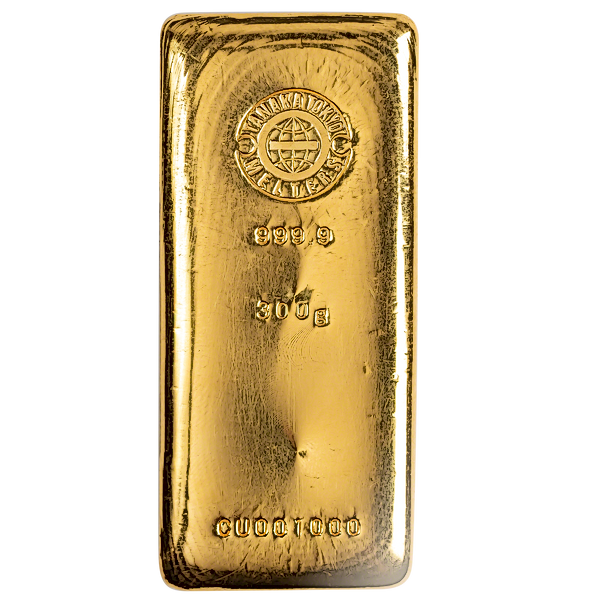
While the government has added little gold, Japanese households have long been active buyers. Private gold trading was liberalised in 1973, and gold bars and gold savings plans are now widely sold through retailers such as Tanaka Kikinzoku, Japan’s largest refiner.
Frequently Asked Questions
How much gold does Japan have?
Japan holds 845.97 tonnes of gold, about 27.2 million troy ounces, according to the World Gold Council. It was the ninth-largest official gold reserve in the world at the end of 2025. The amount has not changed since December 2020.
Is Japan buying gold?
No. Japan has not bought gold for its reserves in recent years. The rise in its reported holdings in 2020, from about 765 to 846 tonnes, came from a transfer of 80 tonnes of coin gold already owned by the government, not from new purchases.
Where is Japan’s gold stored?
Japan does not disclose where its gold is stored. Neither the Ministry of Finance nor the Bank of Japan has said whether it is held in Japan, abroad or in both.
Who owns Japan’s gold?
Japan’s gold is held partly by the Bank of Japan and partly by the Ministry of Finance through its Foreign Exchange Fund Special Account. Both are counted in Japan’s official reserves, which the Ministry of Finance controls.
Why does Japan hold so little gold compared with its reserves?
Gold makes up less than a tenth of Japan’s official reserves, which total about $1.2 trillion. Japan holds its reserves mainly in US dollar assets, which reflects its close ties with the US and the reserves’ main purpose of supporting the yen in currency markets. Dollar assets are easier to use for that purpose than gold.
How much gold does Japan have per person?
Japan’s 845.97 tonnes work out at about 7 grams of gold per resident, based on a population of around 123 million.
Building a Gold Reserve of Your Own
Japan shows that gold reserves come in different shapes. The Japanese government holds only a small share of its reserves in gold and has rarely changed the amount. Japanese households, meanwhile, have long bought gold to protect their savings, through decades of low interest rates and, more recently, a much weaker yen. Both are a form of diversification: gold held alongside other assets, as protection against the risks those assets carry.
For individual investors, building a gold reserve can start small and grow over time. Gold bars from LBMA-accredited refiners are the most cost-effective way to hold larger amounts, while gold coins come in smaller sizes and are widely recognised, which makes them easy to add to regularly and easy to sell.
Unlike Japan’s reserves, private gold can be held with full transparency over where it is stored. BullionStar offers vault storage at Le Freeport in Singapore, where customers’ gold is fully allocated and insured. Every bar is photographed, holdings are independently audited, and customers can visit their gold in person.
Subscribe to Gold University Articles
Copyright Information: BullionStar permits you to copy and publicize articles or information from the BullionStar Gold University provided that a link to the article's URL or to https://bullionstar.com is included in your introduction of the article or blog post together with the name BullionStar. The link must be target="_blank" without re="nofollow". All other rights are reserved. BullionStar reserves the right to withdraw the permission to copy content for any or all websites at any time.