 Contact
 Help
Help






Second Hand Gold: How to Buy and What to Watch For
 Gold & Silver 101



Second hand gold is one of the most overlooked corners of the gold market. While most buyers head straight for newly minted bars and coins, a significant portion of the gold traded every day has been owned before — whether it is a vintage ring passed down through a family, a pre-owned bullion bar from an estate, or a piece of jewelry sold to a pawn shop. Much of it is the same gold, just with a history.
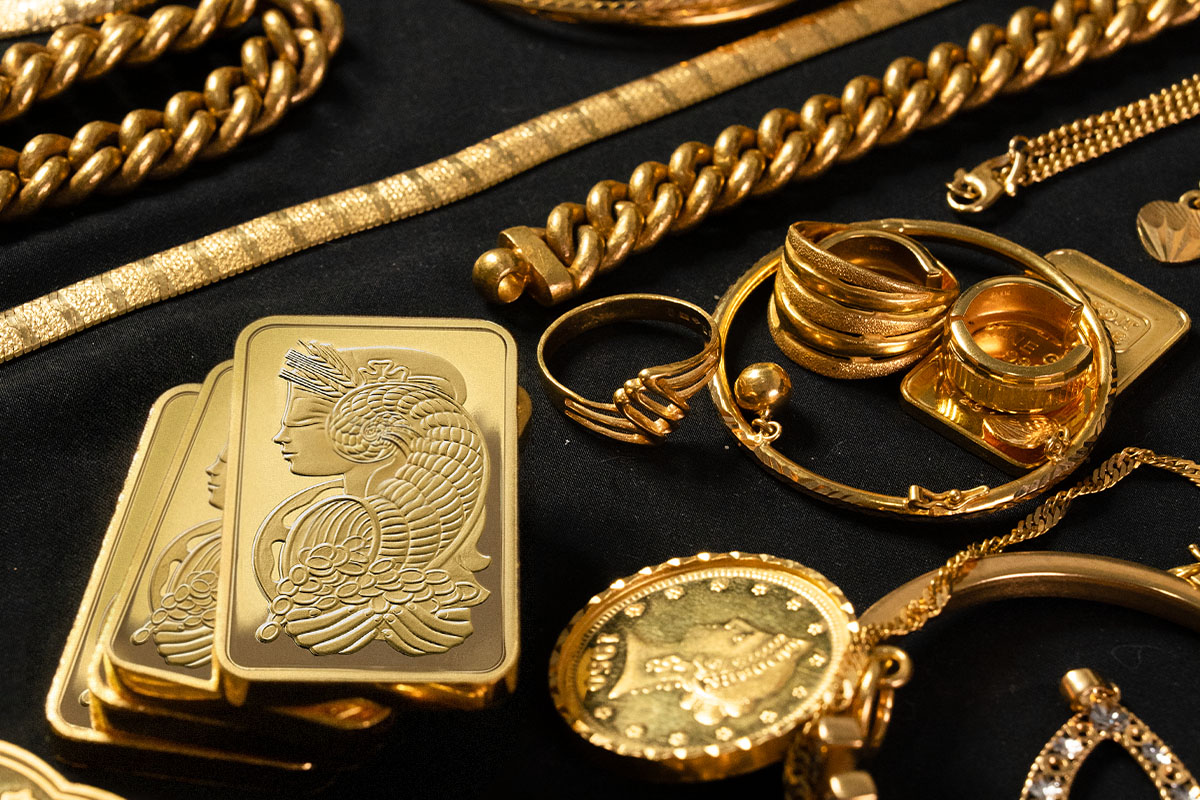
For buyers who know what to look for, second hand gold can offer genuine value. Prices can sit closer to the gold spot price than new items, particularly when buying used bullion rather than branded jewelry. But the market is varied, the sourcing channels range from trustworthy to unreliable, and the differences between product types — vintage gold, estate gold, scrap gold — matter more than most buyers realise before their first purchase.
This guide covers the main categories of second hand gold, where to buy it, how to assess pricing against the current spot price, and what to check before committing to a purchase. Whether you are looking for a vintage gold ring, a pre-owned bullion coin, or simply want to understand how second hand gold fits into an investment strategy, the sections below give you what you need.
What Is Second Hand Gold?
Second hand gold refers to any gold item that has been previously owned, whether bought, worn, stored, or inherited, before reaching its current seller. It spans a wide range of products: jewelry, gold bullion coins, gold bars, and decorative pieces. What these items have in common is that they are not being sold new from a manufacturer or mint for the first time.
The category is broader than it first appears, and several terms are used to describe it, sometimes interchangeably and sometimes with distinct meanings. Understanding the differences helps you know what you are buying and where to find it.
Vintage Gold
Vintage gold is the broadest and most widely used term in the second hand gold market. It generally refers to gold items that are older (typically at least 20 to 30 years) and valued partly for their age, craftsmanship, or design, rather than their gold content alone. Vintage gold jewelry in particular has a strong collector market, with pieces valued for their hallmarks, maker’s marks, and period styling.
Because vintage items carry aesthetic and collector value on top of their metal content, they are not always priced close to spot. A vintage gold ring from a sought-after period or maker may command a significant premium. Buyers looking purely for gold content at the lowest premium for investment purposes should factor this in.
Used Gold and Pre-Owned Gold
Used gold and pre-owned gold are more neutral terms, typically applied to items that have been owned before but carry no particular age or collector value. Unlike electronics or other consumer goods, gold does not wear out or depreciate through use, its value comes from the metal itself, not its condition as a product. A pre-owned bullion coin bought by a previous investor and resold contains exactly the same gold as a new equivalent, and will perform identically as an investment.
The price may be slightly lower because it lacks the new-from-mint premium, which makes pre-owned bullion one of the more practical entry points into the second hand gold market.
Estate Gold
Estate gold refers to items sourced from an estate — typically through probate, auction, or a family sale following a bereavement. The term is most commonly associated with jewellery but can apply to bullion and other gold items. Estate pieces can include anything from plain gold chains to elaborate antique brooches, and quality varies widely.
Buying estate gold directly through estate sales or auctions can offer good value, but requires more care around authentication and condition assessment. Buying through a reputable dealer who has already tested and priced the item removes much of that uncertainty.
Where to Buy Second Hand Gold
Second hand gold is available through a range of channels, each with different pricing, risk levels, and product types. Knowing where to look, and what to expect from each source, makes a significant difference to both the price you pay and the confidence you can have in what you are buying.
| Bullion Dealer | Pawn Shop | Estate Sale / Auction | Online Marketplace | |
|---|---|---|---|---|
| Price vs Spot | Close to spot, transparent | Low payouts to sellers; high margins to buyers | Variable | Variable |
| Authentication | Tested and verified | Inconsistent | Limited | Buyer dependent |
| Product Range | Bullion and jewelry | Mostly jewelry | Mostly jewelry | Wide but mixed |
| Provenance | Documented | Rarely documented | Sometimes available | Rarely documented |
| Recourse if Issues | Clear returns process | Limited | Limited | Platform dependent |
| Best For | Investment buyers | Bargain hunters with expertise | Vintage and collector pieces | Casual buyers with caution |
Bullion Dealers
Reputable bullion dealers are the most reliable source for used gold for sale, particularly for investment-grade items. Dealers test and verify every piece before listing it, price products transparently against the current spot price, and typically offer a straightforward buy-back process if you decide to sell later.
BullionStar sells a range of second hand gold bullion and pre-owned gold jewelry, all tested and verified before sale. You can browse available items directly on our gold bullion and gold jewellery pages.
Pawn Shops
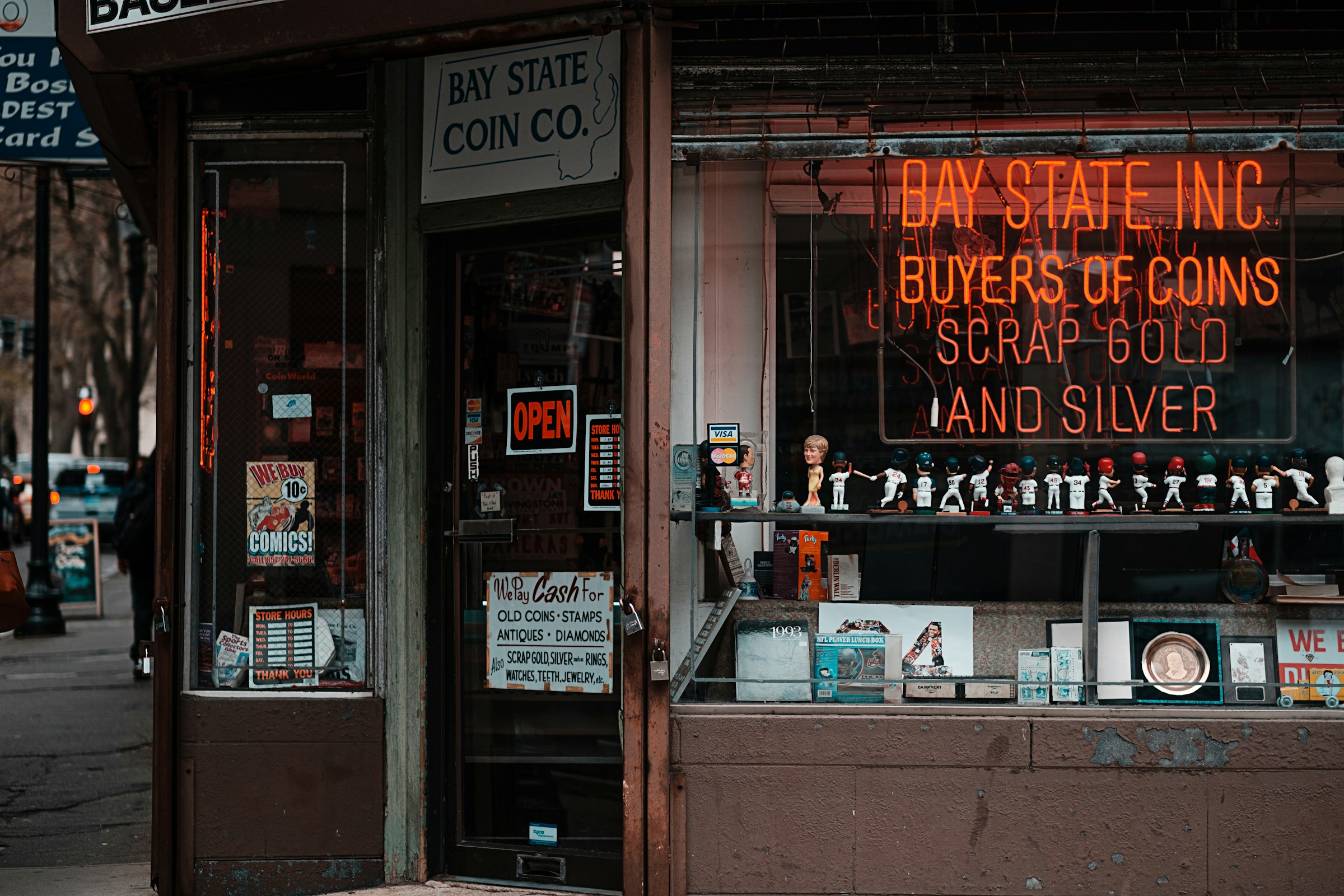
Pawn shops are often cited as a cheap place to buy second hand gold jewelry, but the reality is more nuanced. Pawn shops typically pay sellers well below spot, and then price items to buyers significantly above what they paid. The result is that neither side of the transaction gets a particularly good deal.
Authentication standards also vary significantly between shops, provenance is rarely documented, and there is little recourse if a piece turns out to be misrepresented. For buyers with the knowledge to test gold themselves and the patience to find the right piece at a bargain price, there can be value. For most buyers, the potential for savings does not justify the additional uncertainty.
Estate Sales and Auctions
Estate sales and auctions can be a source of interesting pieces at potentially competitive prices, particularly for vintage gold jewelry. The challenge is that items are typically sold as-is, with limited opportunity to verify authenticity before purchase. Auction houses at the reputable end of the market will provide condition reports and provenance where available, but smaller estate sales offer fewer protections. Strong bidding combined with auction house fees can also push prices above what you might expect if a piece attracts collector interest.
Online Marketplaces
Platforms such as eBay carry large volumes of second hand gold jewelry and used gold items, and pricing can be competitive. The risks are similar to pawn shops — authenticity is harder to verify, seller standards vary, and disputes can be time-consuming to resolve. Buyer protection policies offer some recourse, but they are not a substitute for buying from a source that has already tested what it is selling. If buying through a marketplace, stick to sellers with a strong verified review record and clear return policies.
Vintage Gold Jewelry
Vintage gold jewelry is one of the largest sectors of the second hand gold market. The appeal is easy to understand — older pieces often carry a craftsmanship and character that modern jewelry does not replicate, and for buyers who want gold with aesthetic value as well as intrinsic metal value, vintage is a natural fit. But buying vintage gold jewelry well requires a little more knowledge than buying a bullion coin or bar, particularly around authentication, hallmarks, and how pricing compares to new equivalents.
Hallmarks and Authentication
Hallmarks are the most reliable tool for verifying vintage gold jewelry. In many countries, gold items are legally required to be hallmarked before sale, with marks indicating the metal, purity, assay office, and in many cases the year of manufacture. A full set of hallmarks on a vintage piece gives strong confidence in both the gold content and the item’s provenance.
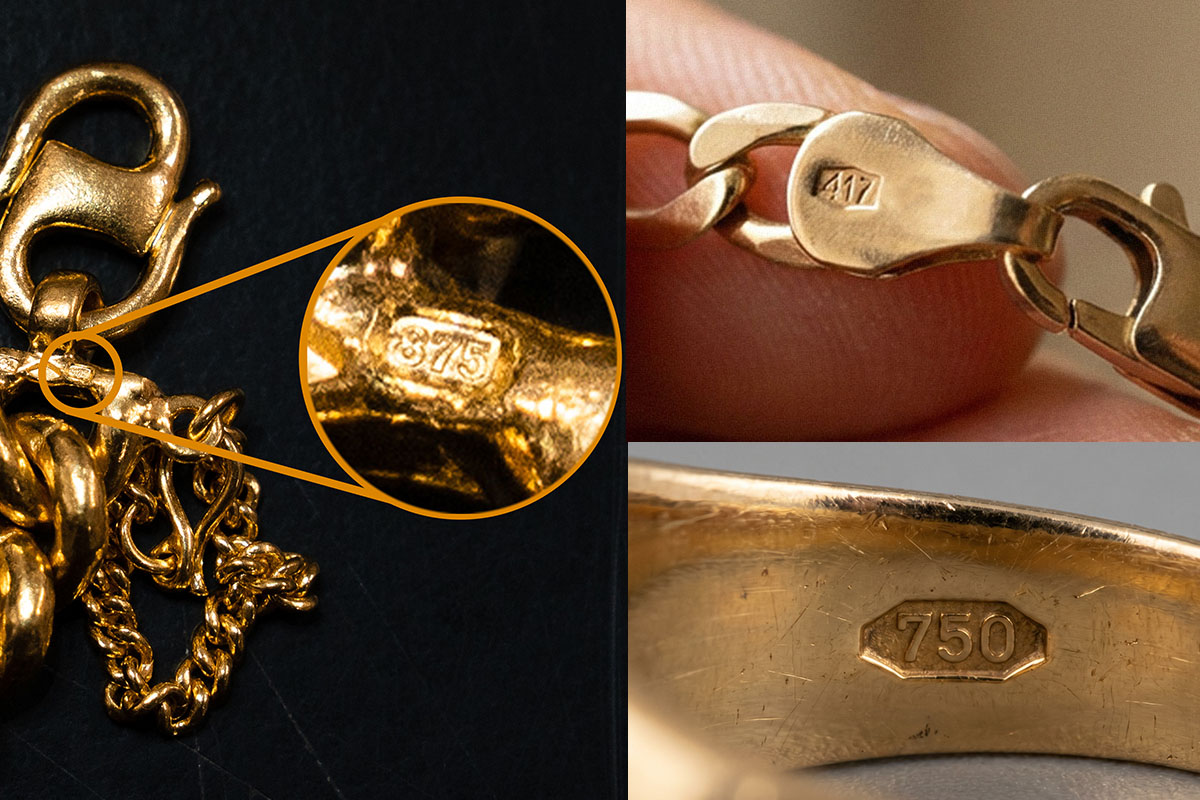
Common purity hallmarks to look for include 375 (9K), 585 (14K), 750 (18K), and 916 (22K). Absence of a hallmark does not necessarily mean a piece is not gold — older items, imported pieces, and very small items were sometimes exempt — but it does mean additional testing is warranted before purchase.
Reputable dealers will have already verified hallmarks and carried out further testing where needed. When buying through other channels, particularly pawn shops or online marketplaces, it is worth carrying out your own checks or asking for documentation before committing.
Pricing Vintage Gold vs New
New gold jewelry from a retailer typically carries a significant premium above the gold spot price — manufacturing costs, brand margin, and retail markup all add to the price. Vintage gold jewelry can sit closer to its gold spot value, particularly for plain pieces without strong collector appeal, which makes it an attractive option for buyers who want gold content at a reasonable premium.
The caveat is that desirable vintage pieces, particularly vintage gold rings with gemstones or items from sought-after periods, can carry premiums of their own that have nothing to do with the gold price. If your primary goal is gold content at a low premium, focus on plain pieces and verify the weight and purity before agreeing a price.
Second Hand Gold Pricing: Spot, Scrap, and What You Should Pay
Understanding how second hand gold is priced helps you judge whether you are getting fair value, and avoid paying more than you need to.
The Gold Spot Price
The gold spot price is the live market price for one troy ounce of pure gold, updated continuously during trading hours. It is the universal reference point for gold pricing worldwide. Whether you are buying a new bullion bar or a vintage gold chain, the spot price is the baseline everything else is measured against. Any premium above spot reflects manufacturing costs, dealer margin, collector value, or brand. A discount below spot price is rare, and when it appears, worth scrutinising carefully.
Scrap Gold and Melt Value
Scrap gold refers to gold items that may be damaged, or cannot be resold in their current form. They are essentially sold on to eventually be melted down. The melt value of a piece is what it would be worth if melted down and refined — calculated from its weight and purity against the current spot price. This is the floor price for any gold item, and the price a refiner or smelter would pay, and will normally be around 80-90% of the current spot price.
When selling gold to a pawn shop or scrap buyer, expect to receive offers below melt value — these buyers need margin to cover refining costs and profit. Understanding melt value gives you a reference point to assess whether a price is reasonable. Offers can vary considerably depending on who you’re selling too, and how much you’re selling. A small amount of low purity gold sold to a pawn shop would likely receive a very low offer, while selling a high weight of high purity gold to a bullion dealer would be much closer to spot price.
Customers can sell scrap gold jewelry to BullionStar. We offer competitive rates for unwanted and damaged necklaces, rings, bracelets, and more. We accept all purities, and offer cash, bank transfer or crypto payments. Visit our sell gold jewelry page for more information.
How Used Gold Bullion Is Priced
Used gold bullion is priced differently to scrap. Because the item is already in a recognised, tradeable form, it does not need to be melted down and refined to realise its value. A pre-owned gold coin from a reputable mint holds its identity and its premium above spot, even if that premium is slightly reduced compared to a new equivalent.
This is why used gold bullion tends to sit only modestly below the price of new bullion. The discount reflects the absence of a new-from-mint premium and, in some cases, minor cosmetic wear — not a fundamental difference in value. For investment buyers, this makes pre-owned bullion an efficient way to buy gold: you get the same metal, from the same recognised source, at a slightly lower entry price.
Customers can view our live buy back rates for second hand gold bars and coins on our sell gold page.
Why the Discount Is Often Small
It is worth setting realistic expectations. The gap in price between new and used gold bullion is often narrower than buyers anticipate. The value of gold in bullion form is driven overwhelmingly by its metal content, and that does not change with ownership history. A used gold bar contains the same gold as a new one. The premium compression on second hand pieces is real, but it is measured in percentage points rather than a dramatic markdown.
Where larger discounts do appear, they tend to be in plain gold jewelry bought close to melt value, or in less liquid markets where sellers are motivated. If a price looks significantly below what comparable pieces are trading for, it is worth asking why — steep discounts on gold are more often a signal to investigate than a reason to buy quickly.
Frequently Asked Questions
Is used gold cheaper than new?
Usually, yes. Used gold bullion coins and gold bars typically carry a slightly lower premium above spot than new equivalents, reflecting the absence of a new-from-mint premium rather than any difference in the gold itself. For jewellery, the gap can be larger, especially for plain pieces priced close to melt value. Decorative or vintage pieces with collector appeal may carry premiums of their own that close the gap with new items entirely.
How can I tell if used gold is real?
The most reliable starting point on used jewelry is hallmarks — stamps indicating the metal’s purity, the assay office, and in many cases the year of manufacture. Common purity marks include 375 (9K), 585 (14K), 750 (18K), and 916 (22K). For bullion, recognised mint marks and serial numbers provide similar assurance. Reputable dealers test all second hand gold before sale using methods such as XRF analysis, which measures elemental composition without damaging the piece. Learn more about how to test gold.
Is buying second hand gold worth it?
For most buyers, yes. Second hand gold offers the same intrinsic metal value as new gold, often at a slightly lower premium. For investment buyers in particular, pre-owned bullion is a practical and cost-efficient option. For jewellery buyers, vintage and estate pieces can offer character and craftsmanship that new pieces do not match.
Should I buy gold from a pawn shop?
It depends on your experience level, but generally speaking, no. Authentication standards at pawn shops vary and provenance is rarely documented. Their pricing model also relies on wide margins — paying sellers well below spot and charging buyers above what they paid. For buyers who can assess gold themselves and are comfortable with limited recourse, there can be value.
Does second hand gold hold value?
Yes. Gold’s value is determined by its metal content, not its ownership history. A pre-owned gold bar or coin holds exactly the same value as a new equivalent of the same weight and purity. Buying second hand does not change any of that — it simply means you may have paid a slightly lower premium to acquire the same asset.
What is the difference between scrap gold and second hand gold?
Scrap gold refers to pieces that are worn out, broken, or otherwise unsuitable for resale as they are, and are destined to be melted down and refined. Second hand gold is a broader term covering any previously owned gold item, including pieces in perfectly resaleable condition. A pre-owned bullion coin or an intact vintage ring is second hand gold, not scrap — the distinction matters because scrap is priced at or below melt value, while resaleable second hand pieces retain their form and command a higher price accordingly.
Where is the best place to buy second hand gold?
A reputable bullion dealer is the most reliable option for most buyers. Dealers verify authenticity before sale, price transparently against the spot price, and offer a clear process if you want to sell later. Other channels can offer competitive pricing, but require more caution and expertise to navigate safely. BullionStar offers a range of second hand gold bullion and pre-owned gold jewelry, all tested and verified, available online and in person at our Singapore Showroom.
Buying Second Hand Gold: What to Take Away
Second hand gold represents a practical and often underappreciated route into the gold market. Whether you are looking for a pre-owned bullion coin at a slightly lower premium, a vintage gold ring with character that new jewelry cannot replicate, or simply want to understand how the market works before making a purchase, the fundamentals are straightforward once you know them.
Gold does not degrade with ownership. A pre-owned gold bar, coin, or plain gold chain holds the same intrinsic value as a new equivalent, and the history of who owned it before you does not change what it is worth. The premium compression on second hand pieces is real, but modest, and the more important variable is where you buy and how well the seller has done their due diligence before pricing the item.
BullionStar offers a range of second hand gold bullion and pre-owned gold jewelry, all tested and verified before sale.

Popular Blog Posts by Gold & Silver 101
 An Introduction to Gold & Silver Investing
 Should I Invest in Gold, Silver, or Platinum Bullion?
 Gold Coins vs Gold Bars: Which Is Better?
 How Is Gold Taxed in Singapore? The IPM GST Exemption Explained
 Storing Precious Metals, Gold, and Silver Bullion
 Gold & Silver Bullion Investing FAQs
 Karat vs Carat: What’s the Difference?
 Gold Purity: The Complete Guide
 How Much Gold Is There in the World?
 Junk Silver: What It Is and What It’s Worth