 Contact
 Help
Help







9K Gold: Purity, Properties & Jewelry Guide
 Gold & Silver 101



9K gold is a gold alloy containing 37.5% pure gold, with the remaining 62.5% made up of other metals, typically copper, silver, and zinc. In the millesimal fineness system, where purity is expressed as a number out of 1000, 9K gold has a fineness of 375, which is why hallmarked 9K pieces are stamped 375. It is the lowest karat recognised as a standard hallmark in the UK, EU, and Australia, and the most affordable genuine gold option on the high street in those markets. In the United States, 9K is not legally permitted to be sold as gold (the minimum karat is 10K) so this purity is largely absent from the American market.
As an investment metal, 9K gold has no meaningful appeal. Its gold content is the lowest of any hallmarked karat, falling well below the 99.5% purity threshold required for Singapore’s Investment Precious Metal (IPM) GST exemption. Like all jewelry alloys, the value of a 9K piece is driven largely by craftsmanship rather than metal content.
If you hold 9K gold jewelry and are looking to sell, we buy 9K pieces at competitive rates based on the prevailing gold price. Visit our sell gold jewelry page for more information.
In this guide, we cover what 9K gold is, how it compares to other karats, its role as the entry point for gold jewelry in the UK and European markets, and answers to the most common questions about this purity.
What Is 9K Gold? Purity and Composition
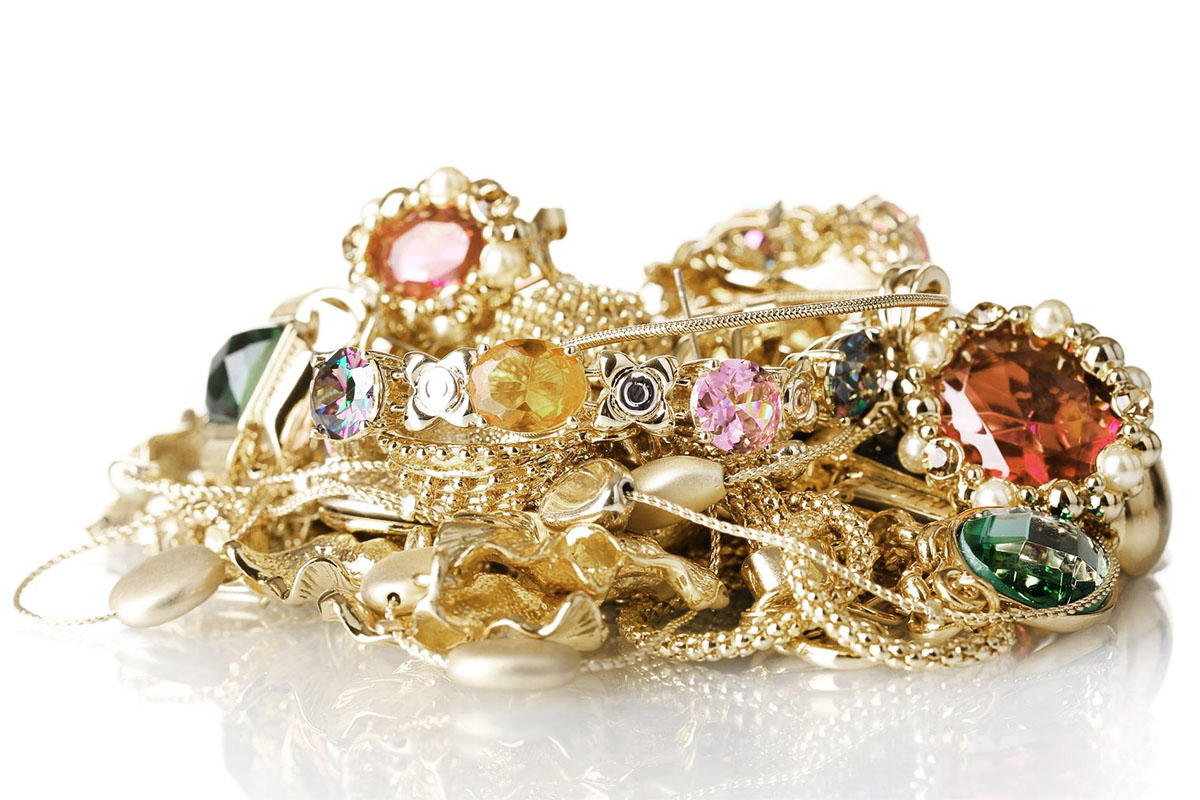
9K gold contains 37.5% pure gold, with the remaining 62.5% made up of other metals — typically copper, silver, and zinc. The “K" stands for karat (written as carat in the UK and Commonwealth countries, where this purity is most common), a traditional system that measures gold purity in parts of 24. 9K gold contains 9 of those 24 parts as pure gold, making it the lowest karat recognised as a standard hallmark in the UK, EU, and Australia, and the most durable of the common karats due to its high proportion of alloy metals.
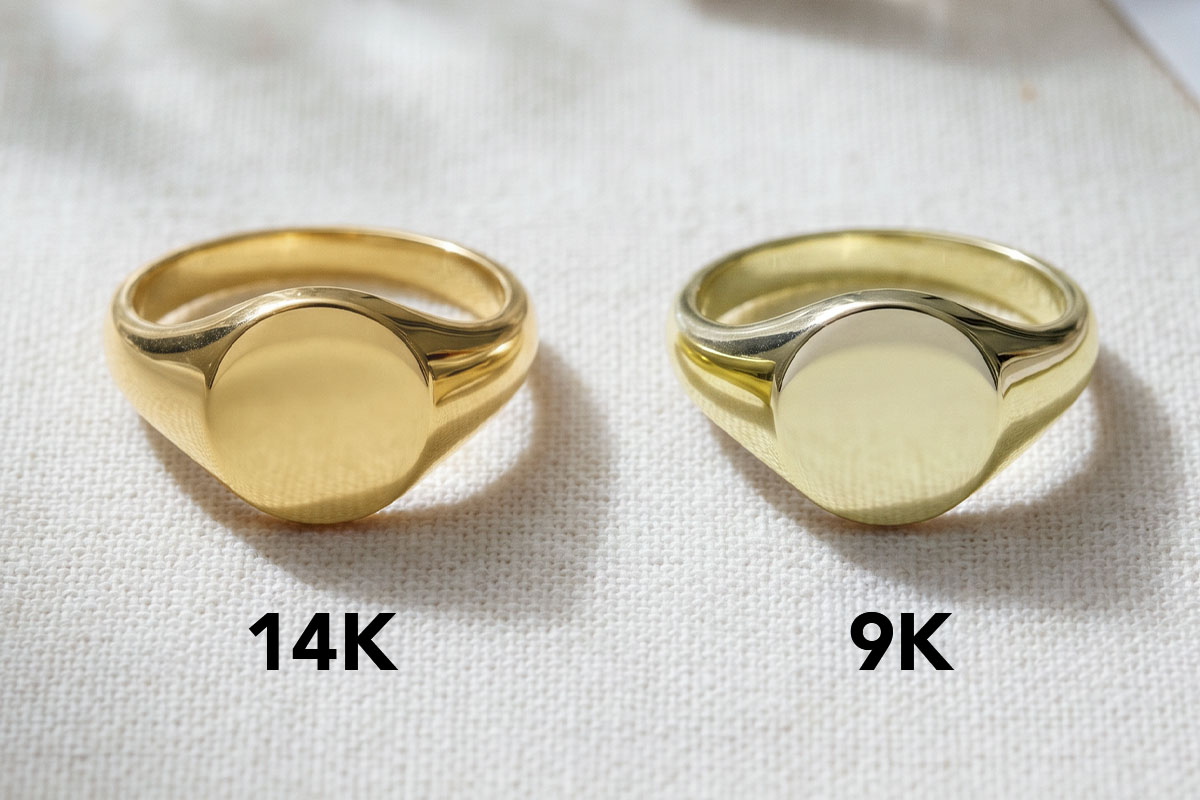
That high alloy content has a direct effect on both the properties and appearance of the finished metal. 9K is harder and more resistant to scratching than higher-purity alloys, which suits it to everyday jewelry intended for heavy wear. The colour, however, reflects the lower gold content: 9K yellow gold appears noticeably paler and less saturated than 14K or 18K equivalents, as the larger proportion of base metals dilutes the characteristic warmth of gold. The higher copper and zinc content also makes 9K more susceptible to tarnishing over time than higher-karat alloys — the base metals can react with moisture, oxygen, and skin contact in a way that 18K or 24K gold does not. Rose gold at 9K uses an elevated proportion of copper to produce a more pronounced pinkish hue, partially compensating for the lower gold content. White gold at 9K typically uses nickel and is finished with rhodium plating, as with higher-karat white gold, though nickel sensitivity affects some wearers more noticeably at this purity due to the higher alloy proportion.
In the millesimal fineness system, where gold purity is expressed as a number out of 1000, 9K gold has a fineness of 375. The 375 stamp is the standard hallmark for 9K gold, and any reputable 9K piece should carry it.
9K vs Other Karats
Gold alloys exist because pure gold, while visually distinctive and chemically stable, is too soft for most everyday applications. By mixing gold with harder metals, manufacturers produce alloys that hold their shape, resist scratching, and stand up to daily wear. The karat indicates how much of the alloy is pure gold. At 37.5%, 9K sits at the bottom of this scale — the most durable and most affordable of the common karats, but with the lowest gold content of any recognised hallmark purity.
| Karat | Purity | Fineness stamp | Durability | Typical use |
|---|---|---|---|---|
| 24K | 99.9% | 999 / 999.9 | Low | Bullion bars, coins, investment jewelry |
| 22K | 91.67% | 916 | Moderate | Investment coins, Asian jewelry |
| 18K | 75% | 750 | Good | Fine jewelry, watches, engagement rings |
| 14K | 58.3% | 585 | Very good | Everyday jewelry, chains, rings |
| 10K | 41.7% | 417 | Excellent | Budget jewelry (US market) |
| 9K | 37.5% | 375 | Excellent | Budget jewelry (UK, EU, Australia) |
9K vs 10K Gold
9K and 10K gold are the two lowest karat standards in common use, and the difference between them is narrow: 37.5% gold against 41.7%. In practical terms, both are highly durable, both are budget-oriented, and both produce a paler, more muted yellow than higher-karat alloys. The more meaningful distinction is geographic. 10K is the minimum karat legally permitted to be sold as gold in the United States, which means 9K is effectively absent from the American market. In the UK, EU, and Australia, the reverse is true — 9K is the entry-level standard and far more widely available than 10K. For buyers in those markets, 10K is a marginal step up in gold content at a slightly higher price; for most, the difference in appearance and value is negligible.
9K vs 14K Gold
This is the comparison most relevant to value-conscious buyers in the UK and European markets, and the choice that typically comes down to budget and priorities. 14K gold contains 58.3% pure gold against 9K’s 37.5%, a significant difference that is perceptible in both appearance and value. 14K has a noticeably warmer, richer yellow colour, and its higher gold content means a greater intrinsic metal value per gram, reflected in a higher price per finished piece.
9K’s advantages are durability and affordability. Its higher alloy content makes it harder and more resistant to scratching than 14K, and its lower gold content means a lower price per piece — often considerably so for heavier items like chains and rings. For buyers on a tight budget, or those primarily concerned with wearability and price over gold content, 9K is the practical entry point. For buyers who can stretch to 14K, however, the step up in gold content, colour, and long-term appearance is meaningful, and 14K represents the better balance for most.
9K vs 18K Gold
18K gold contains 75% pure gold, exactly double the gold content of 9K. It is the global standard for fine jewelry, including engagement rings, high-end watches, and designer pieces, where the richness of appearance and prestige of high gold content are central to the purchase. Against 9K, the differences are pronounced: 18K has a significantly deeper yellow colour and a considerably higher intrinsic metal value per gram, reflected in a much higher price per finished piece.
The two karats serve entirely different ends of the market. 9K is a choice driven by affordability and everyday wearability; 18K is a choice driven by gold content, appearance, and quality. For buyers considering 18K, the price of 9K is unlikely to be the deciding factor.
9K Gold Jewelry: Chains, Rings & Necklaces
9K gold occupies a specific and well-understood position in the jewelry market: it is the entry-level gold karat for buyers in the UK, EU, and Australia who want a genuine hallmarked gold piece at the lowest possible price. The 375 hallmark is the most common gold mark on the British high street, and 9K accounts for a significant share of the gold jewelry sold across UK jewellers, department stores, and online marketplaces. Its combination of high durability and low gold content makes it the most affordable option per gram of finished jewelry in those markets, and it is widely produced across the full range of styles — chains, rings, necklaces, and bracelets
If you hold 9K gold jewelry — whether chains, rings, necklaces, or other pieces — and are looking to sell, BullionStar buys 9K gold at competitive rates based on the prevailing gold price and the gold content of your item. Visit our sell gold jewelry page for more information on how the process works.
Frequently Asked Questions
Is 9k gold real gold?
Yes. 9K gold contains 9 parts gold out of 24 (37.5% pure gold) and is a recognised hallmark standard in the UK, EU, and Australia. It is certified by the 375 hallmark stamped on reputable pieces, and is real gold produced and traded to a defined and regulated standard. Its lower gold content relative to 14K or 18K does not change the fact that it is a genuine gold alloy.
How much is 9K gold worth?
9K gold is worth 37.5% of the prevailing spot price of pure gold. To calculate the intrinsic value of a 9K item, multiply the current gold spot price by 0.375, then multiply by the weight of the piece. For jewelry, the retail price will also reflect craftsmanship and design, but this premium is generally not recovered on resale — the selling value of a 9K piece is based on its gold content alone. Visit our sell gold jewelry page for more information on selling your 9K gold at BullionStar.
What is 9k gold as a percentage?
9K gold is 37.5% pure gold. The karat system divides gold purity into 24 parts; 9 divided by 24 gives 0.375, or 37.5%. In the millesimal fineness system used on hallmarks and bullion, this is expressed as 375. A piece stamped 375 contains 375 parts gold out of 1000 — the same purity expressed differently.
What does 375 mean on gold?
375 is the millesimal fineness hallmark for 9K gold, indicating the metal is 37.5% pure. It is stamped on 9K jewelry by accredited assay offices as a guarantee of purity, and is the most common gold hallmark on the British high street. If you see 375 stamped on a piece of jewelry, it is 9K gold.
Does 9K gold tarnish?
Yes, more so than higher-karat alloys. 9K gold contains 62.5% alloy metals, primarily copper and zinc, which can react with moisture, oxygen, and chemicals over time, causing surface discolouration. Regular gentle cleaning and avoiding exposure to perfumes, chlorinated water, and harsh cleaning products will help maintain the appearance of 9K jewelry. Pieces that come into regular contact with skin can also be affected by sweat over time.
Why isn’t 9K gold sold as gold in the US?
The United States sets a minimum karat threshold of 10K (41.7% pure gold) for any item to be legally marketed and sold as gold. This is a legal standard rather than a reflection of quality, and 9K is a recognised hallmark purity across the UK, EU, and Australia, where no such minimum applies. US buyers looking for an affordable entry-level gold karat typically turn to 10K gold instead.
Will 9K gold turn skin green?
It can. The copper and zinc in 9K’s alloy can react with sweat and skin oils, occasionally leaving a greenish mark on the skin — a reaction caused by the alloy metals rather than the gold itself. This is more likely with 9K than with higher-purity alloys due to the greater proportion of reactive metals. It is not harmful, and the likelihood varies between individuals depending on skin chemistry. Keeping jewelry clean and dry and avoiding prolonged contact with water and chemicals will reduce the risk.
Sell Your 9K Gold at BullionStar
9K gold occupies a clear and well-defined position in the market. It is not an investment metal — its gold content is the lowest of any hallmarked karat, and the value of a 9K piece reflects craftsmanship as much as it does metal content. But as the most affordable genuine gold karat available in the UK, EU, and Australia, it has earned its place: durable, widely produced, and the practical choice for buyers who want a real gold chain, ring, or necklace at a price point that 14K or 18K cannot match. The 375 stamp is one of the most common gold hallmarks found in British households, and a significant proportion of the gold jewelry sold on the UK high street over the past several decades has been 9K.
If you hold 9K gold jewelry and are looking to sell, BullionStar buys scrap gold at competitive rates based on the prevailing gold price and the fine gold content of your item. The process is straightforward — the 375 hallmark tells us exactly what we need to know about purity, and we price accordingly. Visit our sell gold jewelry page to find out how to sell your gold at BullionStar.
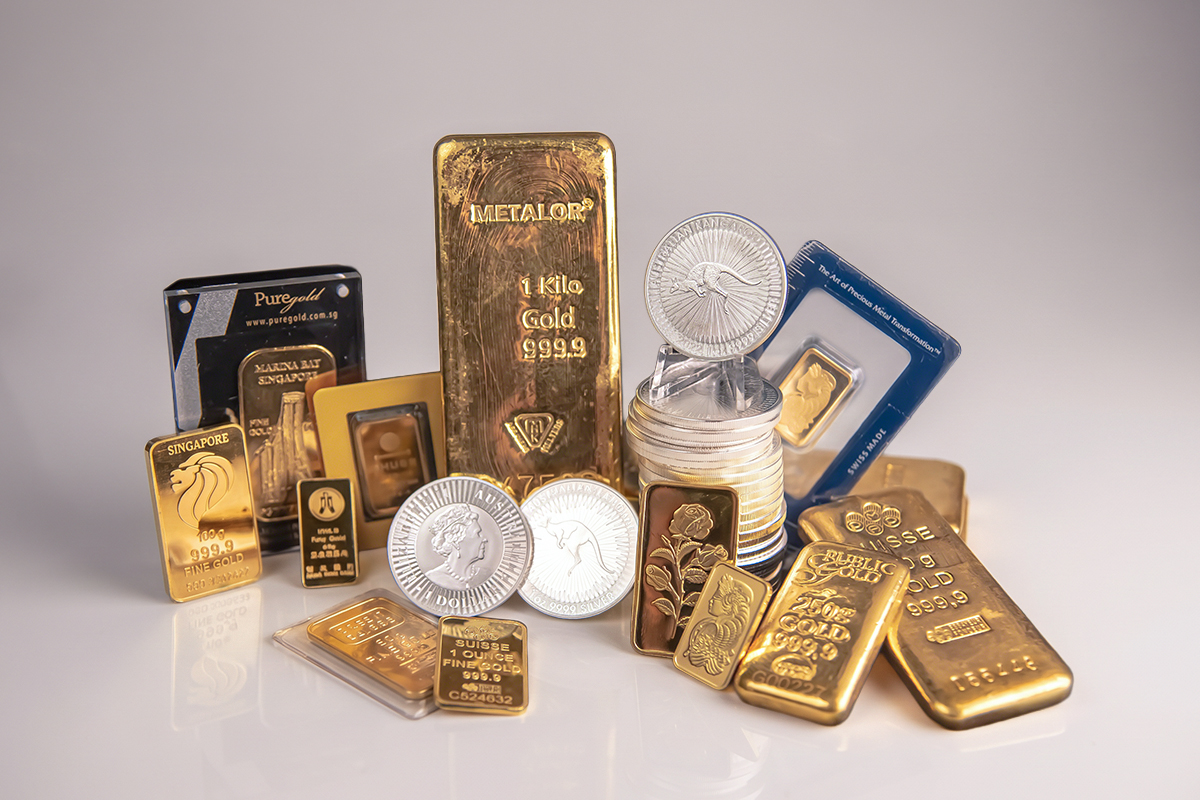
For those looking to buy gold for investment, 24K gold bullion remains the benchmark. Gold is GST-exempt in Singapore, straightforward to value, and available in a wide range of gold bars and gold coins from the world’s leading refiners.
Popular Blog Posts by Gold & Silver 101
 An Introduction to Gold & Silver Investing
 Should I Invest in Gold, Silver, or Platinum Bullion?
 Gold Coins vs Gold Bars: Which Is Better?
 How Is Gold Taxed in Singapore? The IPM GST Exemption Explained
 Storing Precious Metals, Gold, and Silver Bullion
 Gold & Silver Bullion Investing FAQs
 Gold Purity: The Complete Guide
 How Much Gold Is There in the World?
 Junk Silver: What It Is and What It’s Worth
 999 Fine Silver: Investment-Grade Silver Explained