 Contact
 Help
Help






Sterling Silver: What 925 Silver Really Means
 Gold & Silver 101



Sterling silver is an alloy of 92.5% pure silver and 7.5% other metal, almost always copper. That 92.5% is what the “925" stamp found on jewellery, cutlery, and tableware actually refers to. It is a mark of composition, not a brand name. Pure silver on its own is soft enough to dent or scratch under normal wear, so the small addition of copper gives sterling the strength to hold a ring setting, a clasp, or a spoon’s shape for decades. The standard dates back to medieval England and remains the benchmark purity for silver jewellery and silverware worldwide today.
What sterling silver doesn’t mean is investment-grade. At 92.5% purity, it falls short of the 99.9% fineness used for silver bars and silver coins, and its price reflects craftsmanship and design as much as the metal itself. That distinction matters if you’re holding sterling silver and wondering what it’s actually worth, whether it will tarnish, or how it compares to fine silver and investment-grade bullion, all of which we cover below.
If you have sterling silver jewellery you no longer wear, BullionStar also buys it back, paying a competitive price based on its 925 silver content. You can find more information on our sell page.
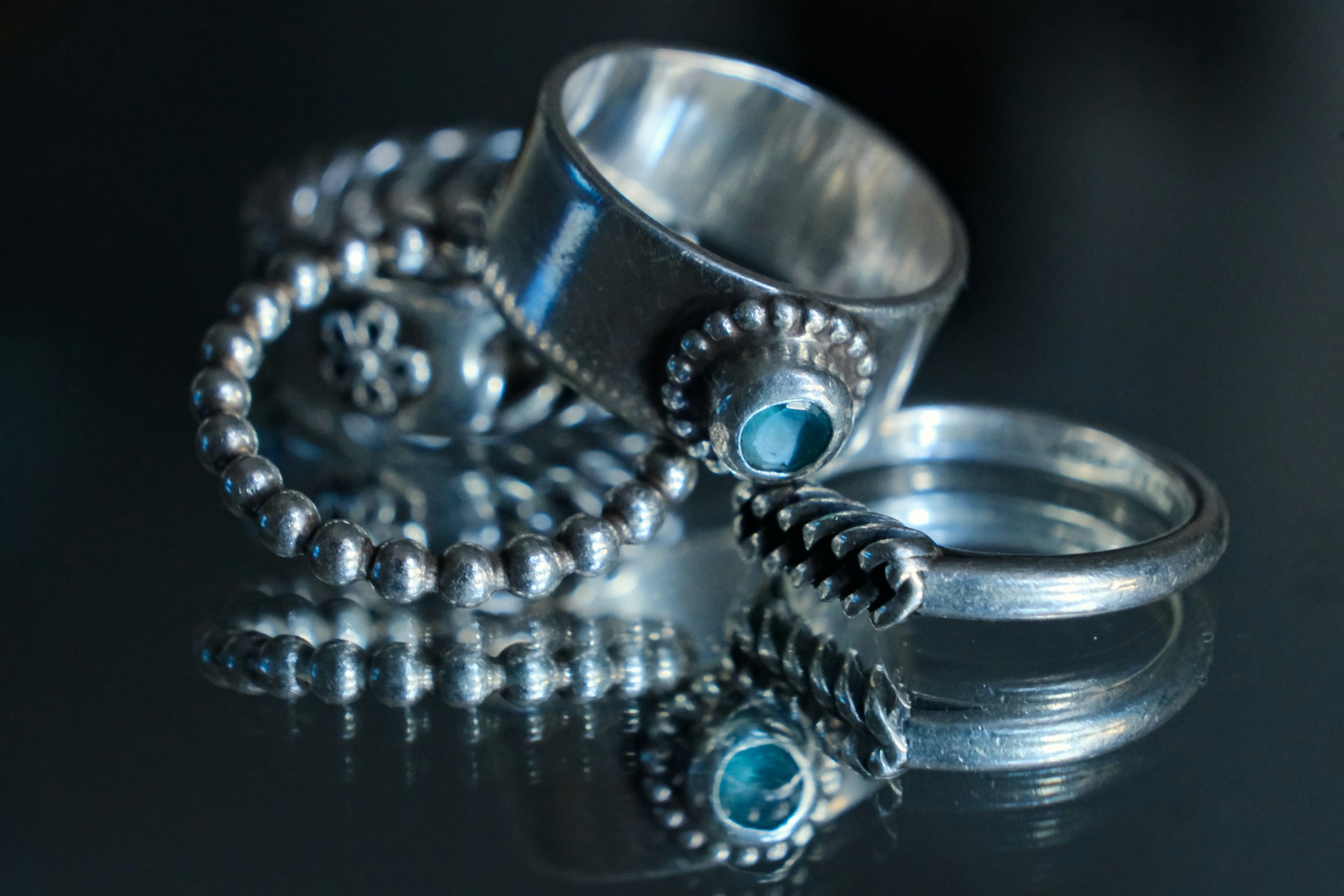
What Is Sterling Silver? (925 Explained)
Sterling silver, also called 925 silver, is a silver alloy made from 92.5% pure silver and 7.5% other metal, almost always copper. The name comes from “sterling," the term used for English currency and silverware from as early as the 12th century, when coins struck by the “Easterling" moneyers of northern Europe became the trusted standard for silver coinage, and eventually the benchmark purity for silver objects generally.
The reason for the alloy is simple: pure silver, also called fine silver or 999 silver, is too soft on its own. On the Mohs hardness scale, fine silver sits at around 2.5, roughly the same as a fingernail, so it scratches, dents and wears down quickly in everyday use. Adding 7.5% copper raises the hardness enough that a ring, clasp, or fork handle keeps its shape through years of handling, while still keeping most of the softness, shine and workability that makes silver desirable in the first place.
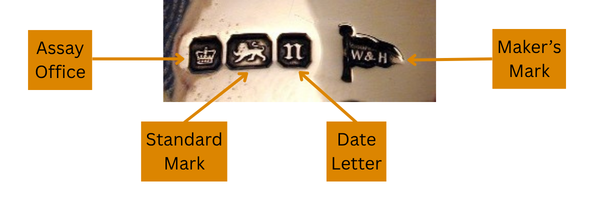
That is also why sterling silver jewellery is stamped 925 (sometimes “ster" or “sterling") rather than 999. The number refers to parts per thousand of pure silver, so 925 means 925 parts silver to 75 parts alloy metal. If you want to go deeper on reading these stamps, including regional variations and how to spot a fake, see our guide to silver hallmarks.
What Is 925 Silver Worth?
The 925 silver price today comes down to a simple calculation: the current silver spot price, multiplied by 0.925 (its purity), multiplied by its weight. That gives you the pure silver content value, sometimes called the intrinsic or melt value, before accounting for what buyers may deduct for refining, handling, and testing.
For a quick per-gram figure, take the current silver spot price per gram and multiply by 0.925. You can check the current spot price in grams, ounces, or kilograms, and in your local currency, on our live silver price page.
It’s worth being clear that this melt value isn’t the same as what you paid, or what similar pieces sell for at retail. Sterling silver jewellery is also priced to reflect the maker’s craftsmanship, design, and brand on top of the metal itself, so a piece can be worth considerably more than its intrinsic value. When selling, expect an offer below the intrinsic value, to cover the dealer’s costs.
If you have sterling silver jewellery you’d like to convert to cash, BullionStar buys 925 silver based on its actual metal content, paying a fair price reflecting the current spot price. You can find out more about how to sell sterling silver on our sell page.
Does Sterling Silver Tarnish?
Yes. Sterling silver tarnishes faster than pure silver, and the copper in the alloy is the reason why. Silver reacts slowly with sulfur compounds in the air to form silver sulfide, the dark layer most people call tarnish. Copper reacts with the same compounds too, and more readily, so the 7.5% copper in sterling silver speeds the whole process up compared with 999 fine silver. It’s the trade-off for the extra strength and durability the copper provides.
Tarnishing isn’t a sign of poor quality or fake silver. It happens to genuine sterling from reputable makers just as readily as anywhere else, and a light tarnish actually confirms there’s real silver content reacting in the first place. Humidity, sweat, perfume, and everyday air pollutants all speed it up, which is why a ring worn daily tarnishes faster than a piece kept in a drawer.
Does Sterling Silver Turn Green?
Occasionally, though it’s usually the skin that turns green rather than the silver itself. When copper in the alloy reacts with moisture, sweat, or skin oils, it can form a greenish copper salt that transfers onto the skin at points of contact. It’s more common with lower-purity alloys, and it’s harmless, if a little unsightly. Genuine 925 sterling, kept dry and clean, rarely causes it.
Is Sterling Silver Hypoallergenic?
Mostly. Silver itself is chemically inert and very rarely causes a reaction. The main allergy risk in sterling silver jewellery comes from nickel, which some manufacturers add instead of, or alongside, copper to whiten or harden cheaper pieces. Genuine 92.5/7.5 sterling made with a pure copper alloy is considered safe for the vast majority of wearers, including most people with sensitive skin, but anyone with a known nickel allergy should look for hallmarked, nickel-free pieces.
How to Clean Sterling Silver
Keeping tarnish under control is mostly about prevention. Store pieces in an airtight bag away from humidity, ideally with an anti-tarnish strip, and avoid wearing sterling silver in the pool, or hot tub, since chlorine reacts particularly badly with the copper content.
For light tarnish, a soft polishing cloth is usually enough. For anything heavier, warm water with a little mild soap and a soft cloth works well, rinsed and dried thoroughly afterwards. Avoid abrasive cleaners, toothpaste, and silver dips on stone-set pieces, since these can damage both the finish and any gemstones.
Sterling Silver vs Fine Silver
Fine silver and sterling silver are both genuine silver, they just sit at different points on the purity scale. Fine silver (also called pure silver) is 99.9% silver, as pure as the metal gets in practical use. Sterling silver is 92.5% silver, alloyed with 7.5% copper. That difference of just under 7 percentage points changes almost everything about how the metal behaves and what it’s used for. The table below covers some of the popular silver alloys and their common uses.
| Standard | Fineness | Silver Content | Typical Alloy | Common Uses |
|---|---|---|---|---|
| Fine Silver | .999 | 99.9% | None (trace) | Bullion bars & coins |
| Britannia Silver | .958 | 95.8% | Copper | Historic English silverware, and early silver Britannia coins |
| Sterling Silver | .925 | 92.5% | Copper | Jewellery, cutlery, tableware — the global standard |
| Coin Silver | .900 | 90.0% | Copper | Pre-1965 US coinage, antique American flatware |
Fine silver sits at one extreme: purest and softest, and reserved almost entirely for bullion rather than everyday wear, since 999 silver dents and scratches too easily to hold its shape in a ring or clasp.
Britannia silver, once mandatory in England between 1697 and 1720 to stop silversmiths melting down coinage into plate, is now a rare, higher-purity option some silversmiths still choose for its extra whiteness, though it’s uncommon and correspondingly harder to find or resell.
Coin silver sits below sterling and was the standard for early American silverware and pre-1965 US coins, a practical middle ground before sterling became the dominant standard on both sides of the Atlantic.
For a deeper look at bullion-grade silver, see our Fine Silver guide, and for the full picture across every purity standard, see our Silver Purity guide.
Is 925 Sterling Silver a Good Investment?
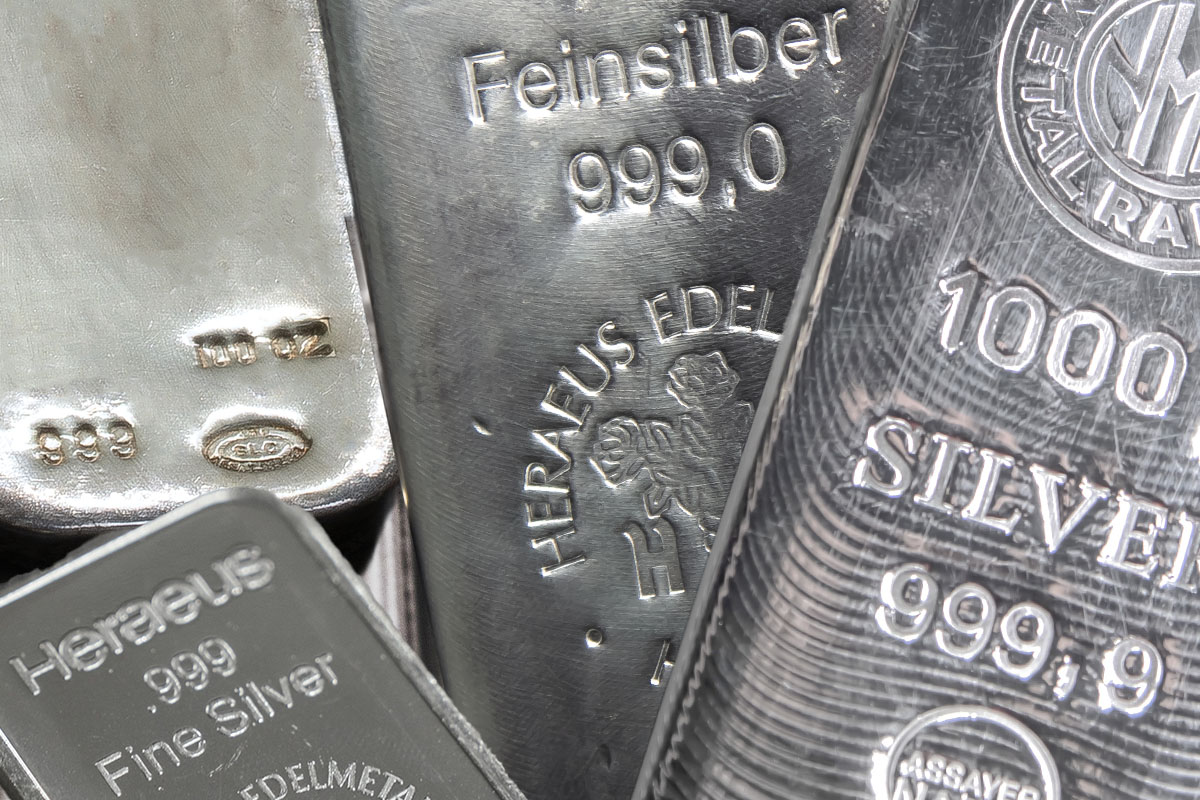
Not really, and it’s worth being upfront about that. Sterling silver, 925 silver, silver 925, whichever way round you say it, is jewellery-grade, not investment-grade. At 92.5% purity it falls well short of the 99.9% fineness that defines investment silver. In Singapore that gap isn’t just informal, it’s the actual legal line. Silver must be at least 99.9% pure, tradable on the international bullion market, and correctly marked to qualify as an Investment Precious Metal (IPM) and receive GST exemption. Sterling silver doesn’t meet that bar on purity alone, regardless of its form.
The price you pay for a sterling silver piece also reflects the maker’s design and craftsmanship, not just its 92.5% silver content, so it rarely tracks the silver price the way a bullion bar or coin does. If you buy 925 sterling silver expecting it to move with the spot price, you’re likely to be disappointed both ways: it won’t compound the same gains bullion does when silver rises, and it won’t hold its retail price when you come to sell.
If it’s the metal itself you want exposure to, 999 fine silver bars and coins are the more direct route, and they’re what actually qualifies for IPM treatment. You can see our full range of investment-grade silver here. And if you’re holding sterling silver 925 jewellery you no longer want, rather than looking to buy more, our sell page provides more information on selling to us.
Frequently Asked Questions
Is 925 silver real silver?
Yes. The “925" stamp means the piece is 92.5% pure silver alloyed with 7.5% other metal, almost always copper, known as sterling silver. It’s a genuine, legally recognised silver standard, not an imitation. What isn’t real silver is nickel silver (also sold as German silver), which contains no silver at all despite the name, and EPNS-plated pieces, where only a thin surface layer is genuine silver over a base metal.
How much is 925 sterling silver worth per gram?
Take the current silver spot price per gram and multiply by 0.925 to get the pure silver content value of sterling silver. That figure will be lower than any retail price paid for the finished piece, since retail prices include craftsmanship and design. Check today’s silver spot price on our silver price page.
Why does sterling silver tarnish?
Sterling silver tarnishes because of its copper content. Both silver and copper react with sulfur compounds in the air to form a dark surface layer, but copper reacts faster, so the 7.5% copper in sterling speeds up tarnishing compared with pure (999) silver. It’s a normal chemical reaction, not a sign of poor quality or fake silver.
Can I sell sterling silver jewellery for its silver content?
Yes. BullionStar buys sterling silver jewellery based on its actual 92.5% silver content, paying a fair price reflecting the current spot price. You can find more information on selling sterling silver jewellery on our sell page.
Is sterling silver better than silver plate?
For durability and resale value, yes. Sterling silver is solid metal, 92.5% silver throughout, so it keeps its value and can be resold based on silver content even after wear. Silver plate is a base metal with only a thin silver coating, which wears through over time and has little to no silver value once removed.
Should I buy sterling silver as an investment?
No. Sterling silver is jewellery-grade, not investment-grade. At 92.5% purity it falls short of the 99.9% fineness required for investment silver, and its price reflects craftsmanship as much as metal content. For genuine investment exposure to silver, 999 fine bars and coins are the more direct route.
Sterling Silver vs Investment Silver
Sterling silver and investment silver answer two different questions. Sterling silver, 92.5% pure and alloyed with copper for strength, answers “will this look good and last for decades of wear?" Investment silver, 99.9% pure and traded purely on its metal content, answers “how do I hold value in silver?" Confusing the two is where most of the myths around 925 silver come from, whether that’s assuming a hallmark makes a piece bullion-grade, or expecting a ring to track the spot price.
None of that makes sterling silver a poor choice, it’s simply the wrong tool for building a silver position. If your priority is design, craftsmanship, and something you’ll wear rather than store, sterling silver remains the right standard, and has been for centuries. If your priority is holding silver as an asset, 999 fine bars and coins are the direct route: internationally tradable, correctly marked, and, in Singapore, IPM-qualifying and GST-exempt. You can browse our full range of investment-grade silver bars and coins here.
And if you already own sterling silver jewellery you no longer wear, whether it’s a single ring or an inherited collection, you don’t need to let it tarnish in a drawer. BullionStar buys sterling silver jewellery based on its genuine 925 silver content, at a fair price reflecting the current spot price. Learn more on our sell page.
Popular Blog Posts by Gold & Silver 101
 An Introduction to Gold & Silver Investing
 Should I Invest in Gold, Silver, or Platinum Bullion?
 Gold Coins vs Gold Bars: Which Is Better?
 How Is Gold Taxed in Singapore? The IPM GST Exemption Explained
 Storing Precious Metals, Gold, and Silver Bullion
 Gold & Silver Bullion Investing FAQs
 How Much Gold Is There in the World?
 Junk Silver: What It Is and What It’s Worth
 999 Fine Silver: Investment-Grade Silver Explained
 Gold Savings Account vs Bullion Savings