 Contact
 Help
Help






999 Fine Silver: Investment-Grade Silver Explained
 Gold & Silver 101



Fine silver is as close to pure silver as the metal gets. 999 parts per thousand, or 99.9% pure, sometimes taken even further to 9999. It’s the standard used for investment bars, coins, and rounds, and if you’re holding one and wondering what it’s actually worth, or how it differs from sterling silver, this guide covers it.
Below, we explain what fine silver actually is, walk through exactly how to work out what a troy ounce, or any weight, is worth at today’s silver price, compare it directly to sterling silver, and cover the basics of buying and storing it.
What Is Fine Silver?
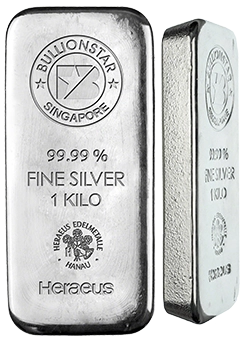
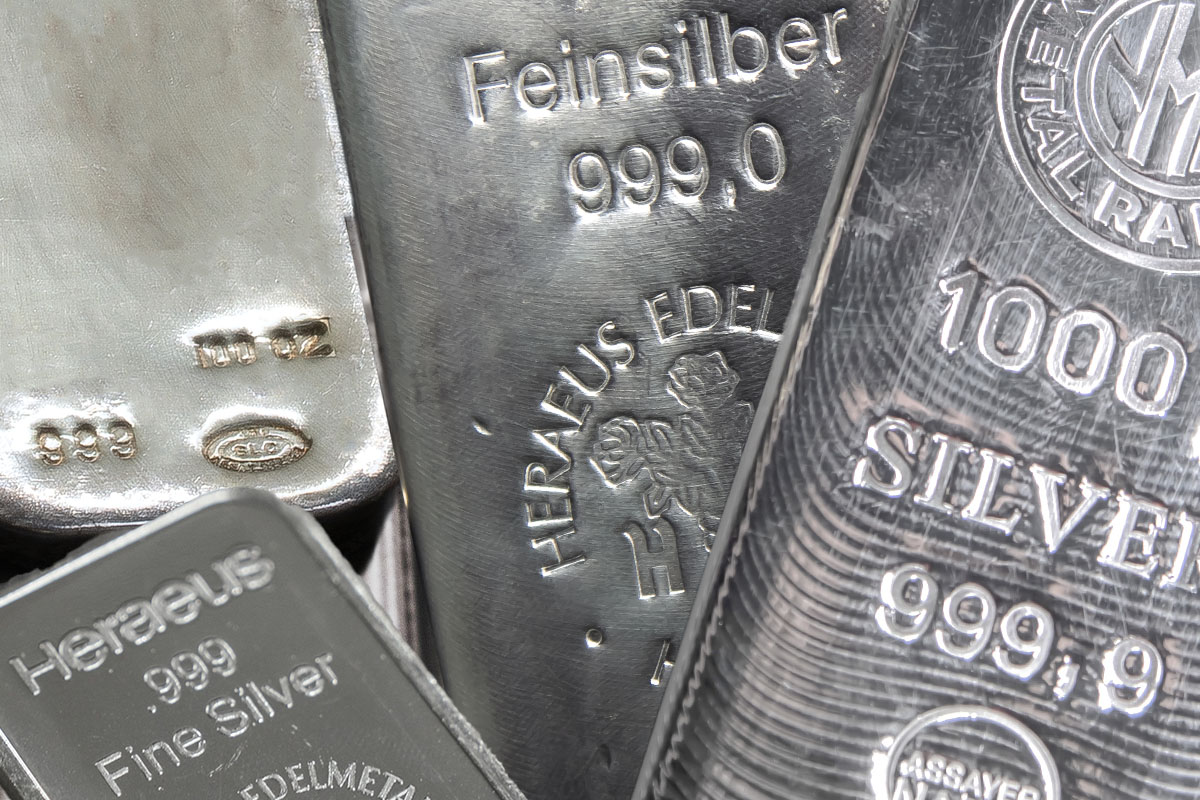
Fine silver (also written 999) is silver refined to 99.9% purity, with only trace amounts of other elements remaining. It’s the international standard for investment-grade silver: the purity used for bullion bars, rounds, and most government-minted coins. Some products go further still, to 9999 (99.99%) or occasionally even higher, but 999 is the accepted market standard, and in practice there’s no real difference in value between 999 and any higher grade, a dealer prices both by their actual silver content.
The reason bullion is minted at 999 rather than pushed to a theoretical 100% comes down to physics and economics in roughly equal parts. Refining silver beyond 999 gets progressively more expensive for almost no practical gain, and 999 already exceeds the London Bullion Market Association’s minimum standard for tradeable “Good Delivery" silver, so there’s little incentive to go further for most products.
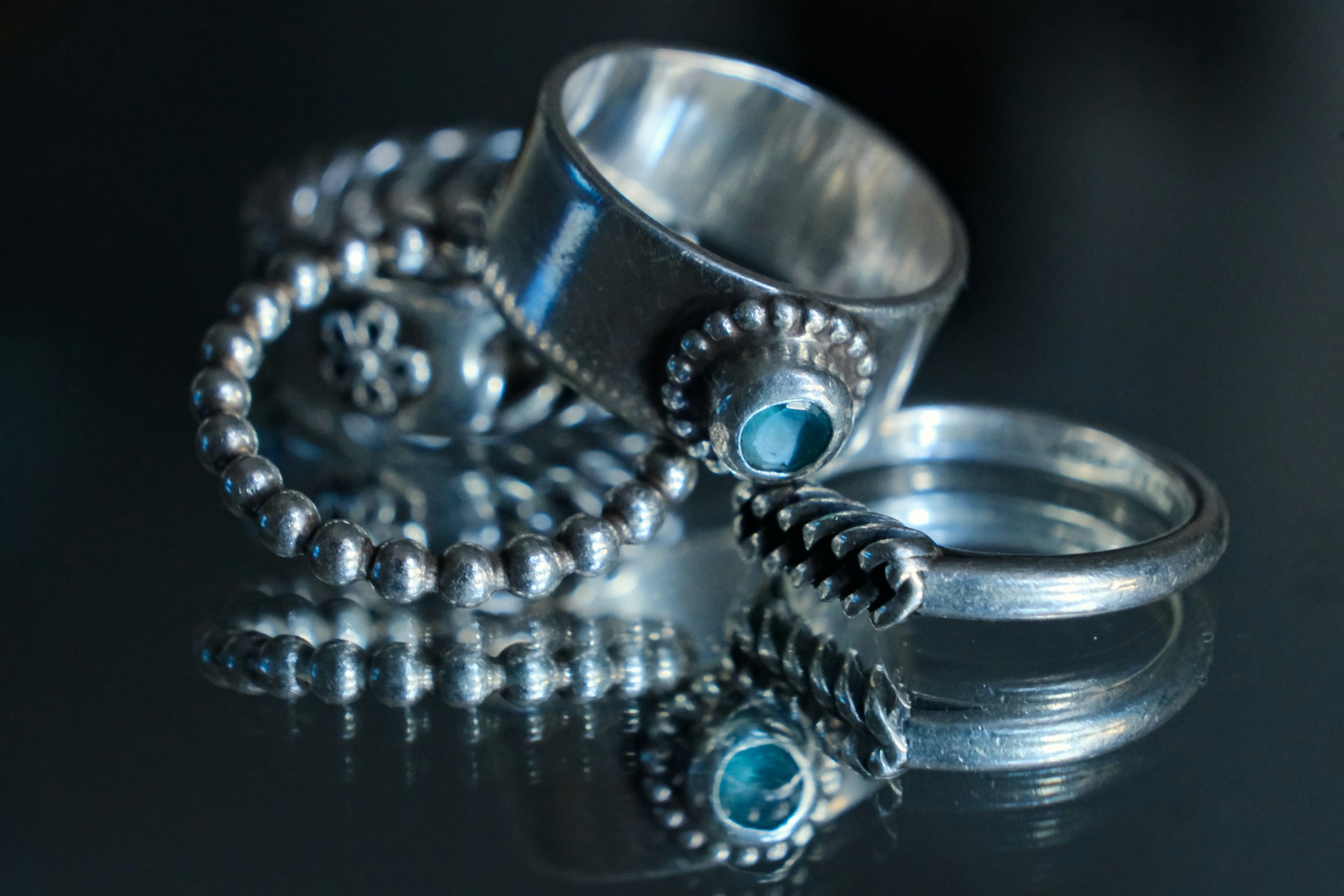
Jewellery is a different story. At 99.9% pure, fine silver is soft enough to dent, scratch, and lose its shape under everyday wear, which is fine for a bar sitting in a vault but not for a ring or a bracelet clasp. That’s why jewellery, cutlery, and tableware are almost always made to the 925 sterling silver standard instead, alloyed with copper for strength. If you want the full breakdown of that standard, see our Sterling Silver guide.
What Is 1oz of 999 Fine Silver Worth?
If you’re holding a 999 fine silver bar, round, or coin, working out its value is simpler than it is for any other silver purity. At 99.9% pure, dealers generally price it at the full silver spot price, with no meaningful purity discount to calculate. Spot price is an international benchmark derived from wholesale markets. It changes every few minutes, so the value of a piece of silver will fluctuate in line with it.
For 1 troy ounce of 999 fine silver, the value is essentially the spot price of silver per troy ounce on that day. A troy ounce (about 31.1 grams) is the standard unit bullion is weighed and quoted in, slightly heavier than the everyday ounce (28.35 grams), so make sure you’re comparing like for like if you’re checking a listed price. For any other weight, whether that’s 10 troy ounces or a single gram, multiply the spot price per unit by the number of units you hold: 10 troy ounces, for example, is worth roughly ten times the one-ounce spot price.
You can check today’s silver spot price, updated live and shown in grams, ounces, or kilograms, on our live silver price page.
If you’d like to convert your fine silver into cash, BullionStar buys 999 silver bars, rounds, and coins based on their actual weight and purity, paying a fair price reflecting the current spot price. You can find a live buy-back rate on our sell page.
Fine Silver vs Sterling Silver
Fine silver and sterling silver are both genuine silver, the difference is purity, and what that purity is actually for. Fine silver is 999, 99.9% pure, the investment standard used for bars, coins, and rounds. Sterling silver is 925, 92.5% pure, alloyed with copper, the standard for jewellery, cutlery, and tableware.
That gap matters more than it might look on paper. Fine silver’s near-total purity makes it soft, too soft to hold up as a ring or a clasp under daily wear, but that softness is irrelevant for a bar sitting in a vault or a coin in a tube. Sterling’s copper content sacrifices some purity for durability, which is exactly backwards from what an investor wants: it dilutes the metal content, adds craftsmanship costs to the price, and doesn’t qualify for the same tax treatment as bullion.
In short: if you’re weighing up sterling silver vs silver because you’re deciding what to buy, fine silver is the purity for investment, sterling is the purity for anything you plan to wear or use. For the full picture on 925, including what it’s worth and how to identify it, see our Sterling Silver guide.
Buying and Storing 999 Silver
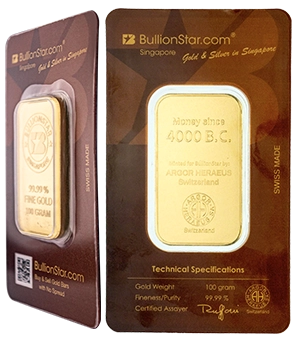
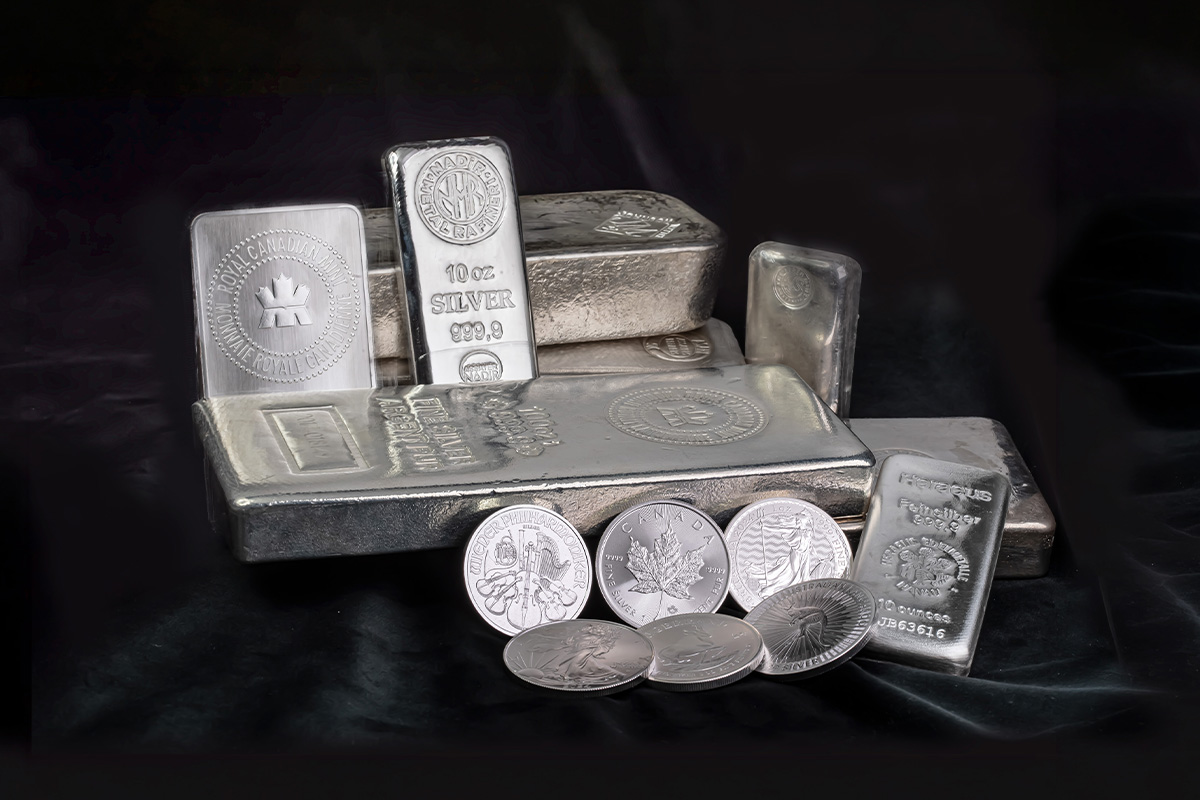
For investors, 999 fine silver is bought in two main forms: bars and coins (including rounds). BullionStar’s silver bars come from leading refineries such as PAMP, Heraeus, Perth Mint, and Nadir, in sizes ranging from 1oz to large wholesale bars.
Our range of silver coins, rounds and wafers includes government-minted products from the Royal Mint, Canadian Mint, Perth Mint, and US Mint. Both product ranges are produced to 999 fineness or higher, and most products qualify for Singapore’s GST exemption as Investment Precious Metals.
Once purchased, 999 fine silver should be stored somewhere secure and free from excessive humidity, which can cause tarnishing over time. Assay cards for bars, and coin capsules will help keep your silver shining and free from scratches. Tarnishing is a natural occurrence however, and investors can rest assured it will not reduce the bullion value of your items.
Investors can store their silver at home in a safe, or use a professional vaulting service such as BullionStar’s own secure storage in Singapore, which keeps holdings fully allocated, insured, and GST-exempt.
Frequently Asked Questions
What does 999 fine silver mean?
999 fine silver refers to silver that is 99.9% pure, with the remaining 0.1% made up of trace elements. It’s measured using the millesimal fineness system, where “999" means 999 parts pure silver out of 1000. This is the standard purity for most investment-grade silver bars and coins worldwide.
Is fine silver better than sterling silver?
Neither is better per se, they’re suited to different purposes. Fine silver (999) has higher purity and is preferred for investment bars and coins, since more silver content means closer tracking of the spot price. Sterling silver (925) is alloyed with copper for added strength, making it the practical choice for jewellery and everyday items.
How much is one troy ounce of 999 silver worth?
Because 999 fine silver is essentially pure, one troy ounce is valued at very close to the live spot price of silver, plus any minting or dealer premium. A troy ounce weighs about 31.1 grams, slightly more than a standard ounce, so its value is calculated using the troy weight rather than the everyday ounce.
Does 999 fine silver tarnish?
Yes. While its high purity makes it more tarnish-resistant than lower-purity alloys like sterling silver, 999 fine silver can still tarnish when exposed to air, humidity, or sulphur-containing substances. Storing it in a cool, dry environment, ideally in anti-tarnish packaging or sealed capsules, helps preserve its condition over time.
Is fine silver too soft for jewellery?
Yes, generally. At 99.9% purity, fine silver is quite soft and prone to scratching, denting, and losing its shape under everyday wear. This is why jewellery is typically made from sterling silver (925), which adds copper to the alloy for extra strength and durability while still looking like solid silver.
Is 999 silver GST-exempt in Singapore?
Yes, provided it qualifies as an Investment Precious Metal (IPM). This requires a minimum fineness of 999, LBMA “Good Delivery" tradability, correct weight and purity markings, and a plain bullion form rather than a decorative or collector’s item. Most standard 999 silver bars and coins sold for investment meet these conditions.
Buy Investment-Grade Silver
999 fine silver remains the standard for investors, offering the highest practical purity available in bar and coin form, along with the liquidity and tax advantages that come with meeting Singapore’s Investment Precious Metal requirements. Whether you’re identifying a coin you already hold, checking today’s value, or ready to start building a position, understanding the difference between fine and sterling silver puts you in a better position to buy, sell, or store with confidence.
Ready to invest? Browse BullionStar’s full range of investment-grade silver, including silver bars and silver coins, rounds and wafers. Our silver range is available for international shipping, secure storage, or collection from our Bullion Center in Singapore.
Popular Blog Posts by Gold & Silver 101
 An Introduction to Gold & Silver Investing
 Should I Invest in Gold, Silver, or Platinum Bullion?
 Gold Coins vs Gold Bars: Which Is Better?
 How Is Gold Taxed in Singapore? The IPM GST Exemption Explained
 Storing Precious Metals, Gold, and Silver Bullion
 Gold & Silver Bullion Investing FAQs
 How Much Gold Is There in the World?
 Junk Silver: What It Is and What It’s Worth
 999 Fine Silver: Investment-Grade Silver Explained
 Gold Savings Account vs Bullion Savings