 Contact
 Help
Help






Buying Your First Gold Bar: A Beginner’s Guide
 Gold & Silver 101



Buying your first gold bar can feel like a big decision. Beyond simply choosing to invest in gold, there’s the size to pick, the price to make sense of, and the question of where to actually buy from without overpaying. None of that needs to be complicated, but it helps to walk in knowing the basics.
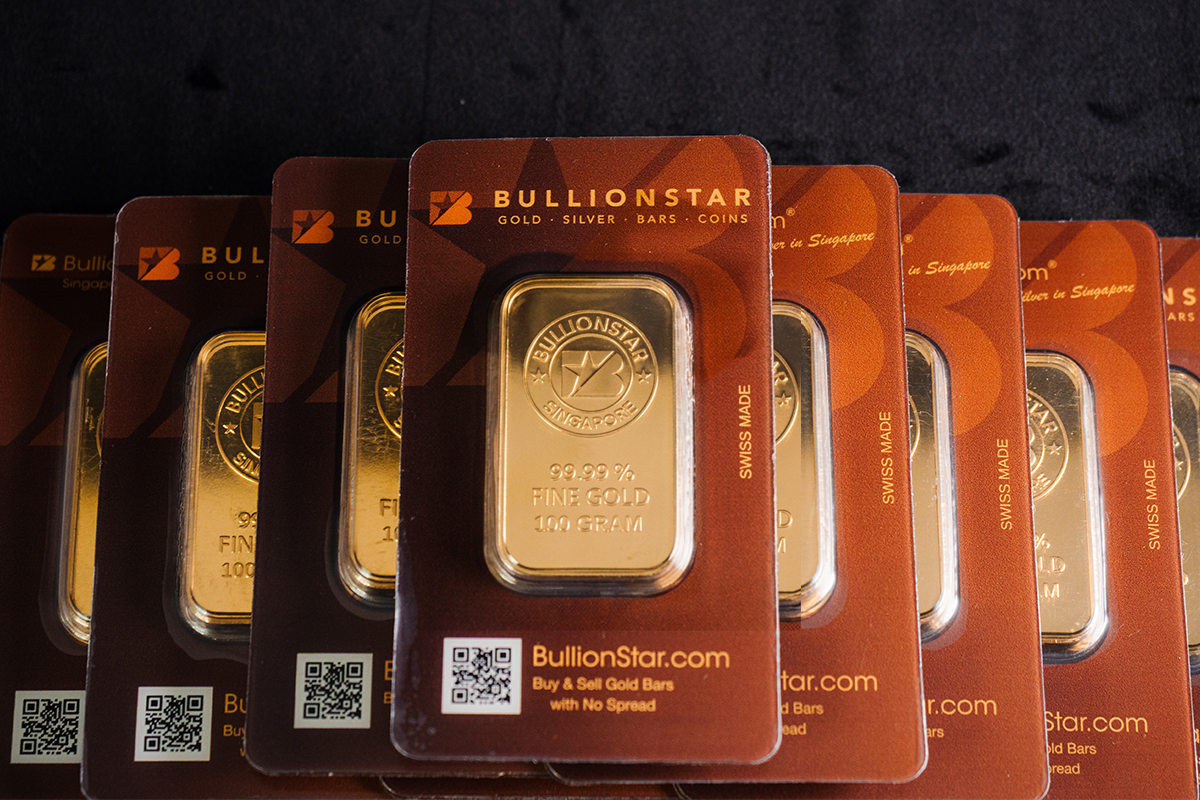
A gold bar is simply refined gold that has been cast or minted into bar form. Gold bars are produced to a standard weight and purity (almost always 99.99% pure, or 24 karat gold), made by an accredited refinery and sold at a small premium over the live gold price. That standardisation is exactly why people buy gold bars over other forms of gold. Unlike gold jewellery or gold coins that have a collector value baked in, a bar’s worth is transparent and almost always tied directly to its weight and purity, which makes it simple to price, compare, and eventually sell on.
This guide walks through everything a first-time buyer needs to know: what size gold bar makes sense for you, how a bar’s price and weight actually work, where to buy safely, and which brands are worth trusting. When you’re ready to buy, you’ll find our full range of gold bars caters to all budgets, so you can choose your first gold bar with confidence.
Please note that BullionStar does not provide investment or financial advice. The information below is for informational purposes only. Your individual circumstances and goals will always be the most important factors in any investment decision.
What Size Gold Bar Should You Buy?
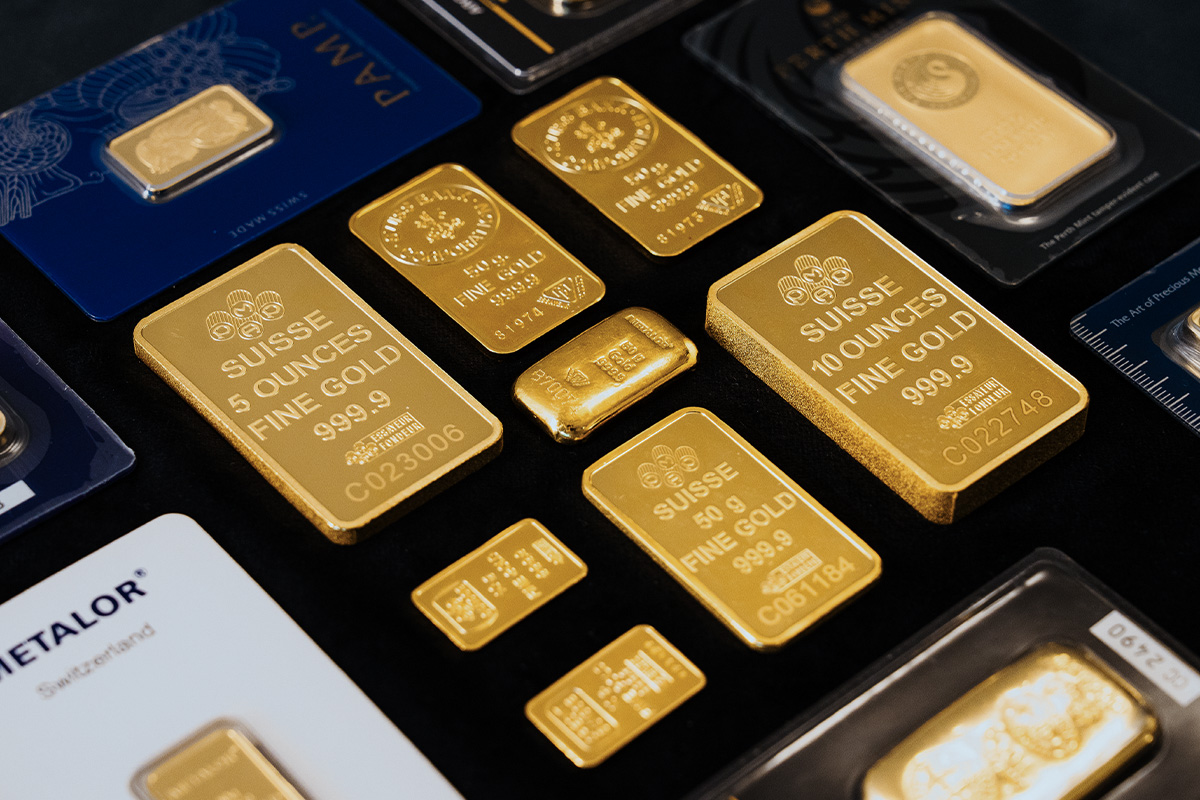
There’s no single “best" size gold bar you should buy. It comes down to your budget and what you want the gold to do for you. But there is one trade-off worth understanding before you choose: the smaller the bar, the more you’ll pay per gram.
As an example, if the spot price of gold is US$100 per gram a 1 gram gold bar might cost $140 to actually buy, a 40% premium of $40 above spot price. A 1kg gold bar however, might cost $101,380, or $101.38 per gram, just a 1.38% premium.
That’s because a large part of a gold bar’s premium comes from the cost of refining, casting/minting, and certifying it, and those costs don’t scale down proportionally with size. A 1 gram gold bar carries a much higher premium per gram than a 1kg gold bar, simply because the fixed costs of making it are spread across far less gold.
The trade-off is liquidity. Smaller bars are easier to sell in full or in part, and more accessible if you’re starting out or buying to a fixed budget. Larger bars are more cost-efficient per gram but less flexible if you ever want to sell only a portion of your holding.
| Size | Premium Per Gram | Best For |
|---|---|---|
| 1g gold bar | Highest | Testing the waters with a small first purchase or gifting |
| 5g gold bar | Very high | Small, flexible purchases and gifting |
| 10g gold bar | High | A step up in size while staying affordable |
| 1oz gold bar (31.1g) | Moderate | The most popular and recognisable size for new buyers |
| 100g gold bar | Lower | A cost-efficient middle ground for larger purchases |
| 1kg gold bar | Low | Serious accumulation, where cost-efficiency matters most |
| 400oz gold bar (~12.4kg) | Lowest | Institutional and Good Delivery bars, not typically aimed at individual buyers |
For most first-time buyers, a 1oz or 100g gold bar hits the best balance: a manageable premium, wide recognisability, and no difficulty reselling. Smaller bars like 1g, 5g or 10g suit a smaller starting budget or dollar-cost averaging into gold gradually, while 1kg and larger bars are worth considering once you’re buying in volume and cost-efficiency starts to outweigh flexibility. Our full range of gold bars includes all of these sizes, suitable for new investors on a budget to those ready to make a significant investment.
How Much Is a Gold Bar Worth?
A gold bar’s value comes down to three things: the current spot price of gold, the bar’s weight, and its purity. If you’re trying to work out how much a gold bar is worth, multiply spot price by weight. You can adjust for purity if needed, however it is almost always 99.99% for investment bars. Once completed, you have the bar’s underlying intrinsic or “melt value". This is what the gold itself is worth, before any premium or margin is added.
Whether the actual number you see is higher or lower than that melt value depends on which side of the transaction you’re asking about. If you’re buying, you’ll pay spot value plus a premium, the cost we covered in the section above. If you’re selling, you’ll typically receive close to spot value, minus a small margin, which is why a gold bar’s buy-back worth is usually closer to the “true" gold price than its purchase cost.
Because spot price changes constantly throughout the trading day, there’s no fixed answer to what a gold bar is worth right now, only what it’s worth at this moment. For an up-to-date figure across all our gold bar sizes, our sell gold page shows live buy-back prices.
How Much Does a Gold Bar Weigh?
A gold bar’s weight depends entirely on its size. There is a large variety of sizes produced, ranging from as little as 1 gram up to the 400 oz bar covered in the size comparison above. Most individual investors buy somewhere between 1 gram and 1 kilogram.
When most people ask how much does a gold bar weigh, they are thinking of the 400 oz bar ‘Good Delivery’ gold bar. This is the classic bank-vault, heist-movie image of a gold brick that is almost too heavy to lift.
That reputation is well earned. A 400 oz Good Delivery bar, the standard unit traded between banks and held in central bank reserves, weighs around 12.4 to 12.5kg. This is more than most people can comfortably lift with one hand, let alone carry. If you’d like to find out for yourself, you can try lifting one in person at our Bullion Center exhibit, where a genuine 400 oz bar is on display.

Gold Weight Units: Grams, Troy Ounces, and Tolas
Gold bars are weighed in a few different units, depending on where in the world you’re buying. Grams are the most widely used and the standard measurement for most gold bars sold internationally, including the majority of BullionStar’s range.
Troy ounces are the traditional unit for precious metals in Western markets, particularly the US and UK, and one troy ounce equals 31.1035 grams. This is different from the standard kitchen, or avoirdupois ounce (28.35 grams) used to weigh most everyday goods, so a “1 oz gold bar" contains slightly more gold than a non-precious-metal ounce might suggest. See our guide on what a troy ounce is for more on how these units compare.
Tolas are less familiar to Western buyers but carry a long tradition across South Asia and the Middle East, including India, Pakistan, and the UAE. One tola equals 11.6638 grams, and tola bars remain a popular, culturally familiar size for buyers from these regions.
Where to Buy Gold Bars
Gold bars are sold through a few distinct types of sellers, each with a different trade-off between convenience and value: specialist bullion dealers, banks, and, more recently, big-box retailers.
In the last few years, retailers like Costco have started stocking gold bars alongside their usual products. These can be a novel way to buy a small amount of gold, but they’re generally a limited, one-off offering rather than a dedicated bullion service. They typically have a narrow range of sizes, no ongoing buy-back arrangement, and less transparency on how the price compares to spot. For beginners they are not usually the best starting point if you’re planning to build a holding over time.
In some countries, banks like UOB and TD Bank offer retail investors another option, selling gold bars through their branches. The same trade-offs apply, and it’s worth understanding how buying gold through a bank compares to buying from a specialist dealer before deciding. We cover this in detail in Can You Buy Gold from a Bank?
For most first-time buyers, a specialist bullion dealer is the more straightforward route. They offer a wider range of sizes and brands, a clear premium over spot price, verified authenticity, and, importantly, a standing buy-back option when you’re ready to sell.
Gold Bar Brands Worth Buying
When it comes to investing in gold bars, the brand matters far less than most beginners expect. What actually matters is that the bar comes from a reputable refiner. The London Bullion Market Association is the industry benchmark for quality and reliability, and mints or refiners on the LBMA’s Good Delivery list are an ideal place to start when choosing a brand of gold bar.
To a bullion dealer, a 1oz bar from PAMP is worth exactly the same as a 1oz bar from Metalor, gram for gram and purity for purity. Unlike coins, where a mint’s reputation or a limited run can add genuine collector value, an accredited refiner’s bar is priced purely on its gold content and purity. As long as it’s made from 24K gold and weighs the same amount, the name stamped on the front doesn’t add or subtract from the value.
That said, recognisable names are still worth knowing, mainly because wider recognition can make a bar easier to resell.
| Refiner / Mint | Origin | Known For |
|---|---|---|
| PAMP | Switzerland | One of the world’s most widely recognised refiners, known for its “Lady Fortuna" design |
| Valcambi | Switzerland | A top-tier Swiss refiner, well known for CombiBar designs that break into smaller pieces |
| Argor-Heraeus | Switzerland | Another major Swiss Good Delivery refiner, widely traded internationally |
| Metalor | Switzerland | One of the largest refiners globally, supplying both bullion bars and industrial gold |
| Royal Mint | United Kingdom | The UK’s sovereign mint, government-owned rather than a private refiner |
| Perth Mint | Australia | Australia’s sovereign mint, with bars backed by a Western Australian government guarantee |
There is one brand name of gold bar worth clarifying. Credit Suisse gold bars are made under licence by accredited refineries, and their value comes from the refiner’s accreditation and the gold itself, not from Credit Suisse the bank. The bar’s worth as bullion has never been tied to the bank’s own corporate fortunes, and that remains true regardless of what happens to the Credit Suisse name going forward.
Investors can rest assured when buying gold bars from BullionStar. Our range is built around accredited and reputable brands, and can be sold back to BullionStar in the future.
Frequently Asked Questions
Is it better to buy gold bars or gold coins?
Neither is universally better. Gold bars typically carry a lower premium over spot price, making them more cost-efficient, while gold coins are easier to sell in smaller amounts and often carry legal tender status. See our full comparison: Should I Invest in Precious Metals Bars or Coins?
What size gold bar is best for a beginner?
A 1oz or 100g gold bar is generally best for a beginner, depending on your budget. Both offer a manageable premium, wide recognisability, and easy resale, without the higher per-gram premium charged on smaller bars like 1g or 5g.
Are Costco gold bars a good deal?
Costco’s gold bars can be competitively priced, but they’re typically a limited, one-off product rather than a dedicated bullion range, with a narrow choice of sizes and no ongoing buy-back service. Specialist bullion dealers usually offer a wider range, transparent pricing, and a standing buy-back option.
How can I tell if a gold bar is real?
Check that the bar is stamped with its weight, purity, and refiner’s hallmark, and that it comes with a matching serial number on its assay card. Comparing the design of the bar and its assay card against genuine examples from the refiner can also help with verification. For extra assurance, a reputable dealer can test a bar in person using methods like X-ray fluorescence. See our full guide on how to test gold for more.
How easy is it to sell a gold bar back?
Selling a gold bar back is straightforward if you bought it from a dealer with a buy-back program. Gold bars in good condition with an intact assay card typically sell back quickly at a small margin below spot price. Check our live buy-back prices for current rates.
Do gold bars come with a certificate or assay card?
Most investment-grade gold bars from accredited refiners come with an assay card sealed in tamper-proof packaging, certifying the bar’s weight, purity, and serial number. Larger bars, such as 1kg or 400oz Good Delivery bars, are typically accompanied by a separate certificate instead. A certificate is not needed however when selling a gold bar, as dealers will test the metal itself for verification.
Ready to Buy Your First Gold Bar?
Buying your first gold bar doesn’t need to feel complicated once you know the basics. Pick a size that matches your budget and how much flexibility you want, remember that price is always spot value plus a small premium (or minus a small margin when selling), and buy from an accredited refiner through a dealer you trust.
The other decision worth making early is storage. Keeping gold at home gives you full control of your investment, but means taking on security risk yourself. Storing with a dealer’s vault avoids that risk entirely and, in Singapore, can come with its own tax advantages.
When you’re ready, browse our full range of gold bars, or start smaller and build up gradually with the Bullion Savings Programme. If you’d rather see and hold a gold bar before you buy, you’re always welcome to visit our Singapore showroom. Have questions? Get in touch with our team at support@bullionstar.com who will be happy to assist.
Popular Blog Posts by Gold & Silver 101
 An Introduction to Gold & Silver Investing
 Should I Invest in Gold, Silver, or Platinum Bullion?
 Gold Coins vs Gold Bars: Which Is Better?
 How Is Gold Taxed in Singapore? The IPM GST Exemption Explained
 Storing Precious Metals, Gold, and Silver Bullion
 Gold & Silver Bullion Investing FAQs
 Gold Hallmarks: A Guide to Marks, Stamps, and Standards
 Karat vs Carat: What’s the Difference?
 Gold Purity: The Complete Guide
 How Much Gold Is There in the World?