 Contact
 Help
Help







Is It a Good Time to Sell Gold?
 Gold & Silver 101



If you’re holding gold and watching the price move, deciding when to sell can feel even more difficult than deciding when to buy. Sell now and the price might keep climbing without you. Wait, and a pullback could erase gains you had theoretically made. That uncertainty is often what keeps people holding indefinitely, waiting for a moment that never quite feels right.
The honest answer is that there’s no single right time to sell gold that applies to everyone. It depends on why you bought it, what you need the money for, and whether you’re happy with the return you’ve made. If you’re ready to sell and satisfied with what your gold is worth today, that’s the right time, regardless of what the price does tomorrow.
That said, understanding where the gold price sits relative to its history, the patterns that tend to drive short-term movements, and whether current prices look stretched can help you sell your gold with more confidence in your timing. This guide covers all of that, along with the practical steps for selling once you’ve made your decision.
Please note that BullionStar does not provide investment or financial advice. The information provided is for informational purposes only. Your individual circumstances and goals will always be the most important factors in any investment decision.
Should You Sell Gold Now?
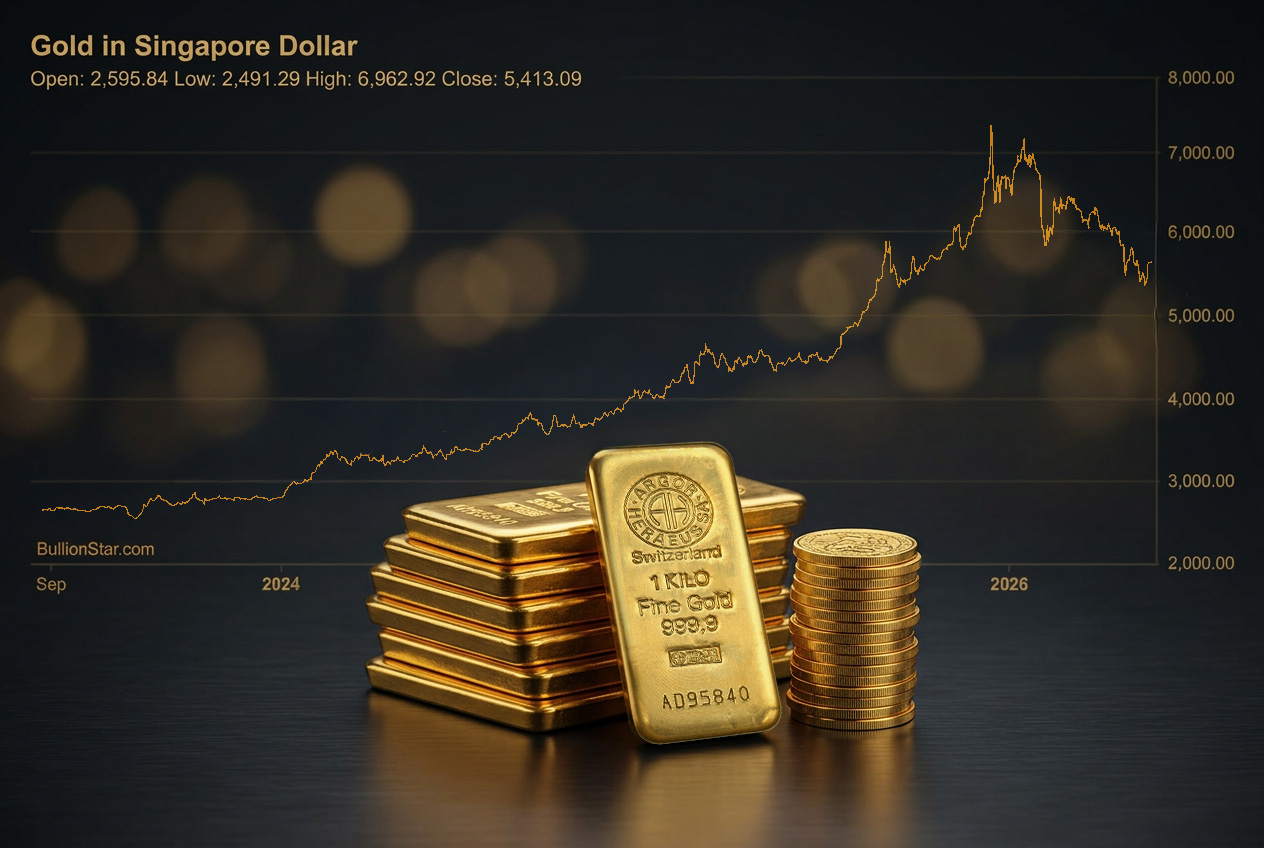
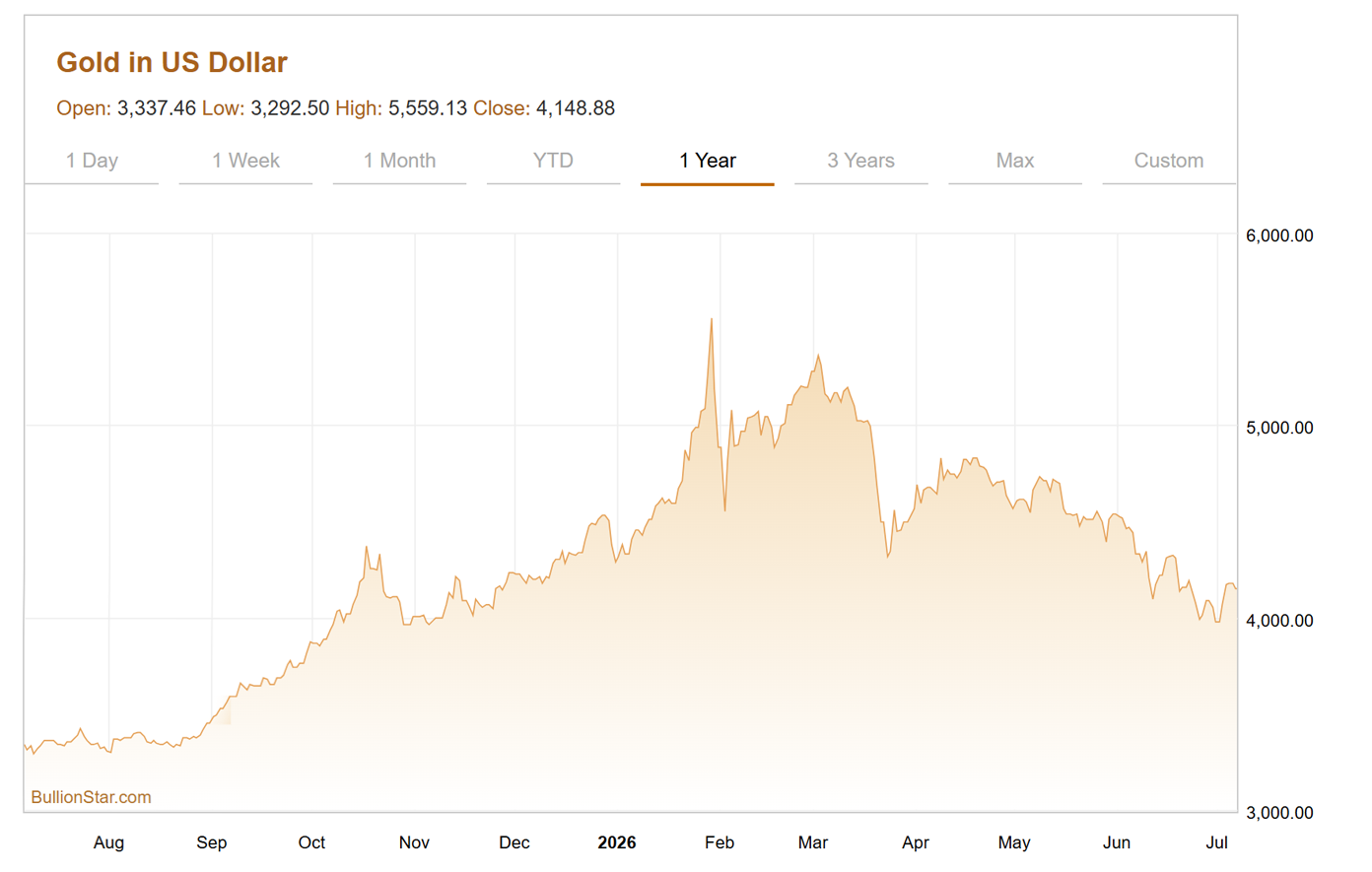
Gold is currently trading at around $4,000 per troy ounce, down roughly 26% from the record high above $5,500 it set in January 2026. Despite that pullback, gold is still up around 20% over the past twelve months. The correction has been driven mainly by shifting US interest rate expectations, as markets price in the possibility of hikes rather than cuts following inflationary pressure from the conflict in the Middle East, rather than any change in gold’s underlying long-term case.
For a full breakdown of where analysts expect the price to go from here, see our Gold Price Forecast 2027.
Is Now a Good Time to Sell Gold?
Whether now is a good time to sell isn’t really a question the price can answer on its own. It depends on why you’re holding gold, what you need the money for, and whether the return you’ve made meets your expectations.
The case for selling now doesn’t rest on catching a peak. It rests on where you stand relative to your own goals. If you bought gold to fund something specific, or you’re satisfied with the gain you’ve made even after the recent pullback, selling now locks in a result you’re happy with, regardless of what the price does next.
The case for holding is stronger if you don’t need the money, and if the reasons you bought gold in the first place (inflation protection, currency risk, portfolio diversification) haven’t changed. Central banks have stayed net buyers of gold reserves through the recent drawdown, at a pace above their five-year average, suggesting gold’s structural support remains intact. Selling into a dip purely because the price is off its peak, rather than because your circumstances call for it, is usually a weaker reason to sell.
The real question isn’t sell gold or hold based on where the market sits today, but whether you’re selling for the right reasons, at a price you’re comfortable with.
When to Sell Gold
Gold doesn’t move in a predictable cycle, but a few patterns are worth understanding if you have flexibility over timing. None of them tell you the best time to sell gold with certainty, but they can inform a steadier decision than acting on instinct or trying to guess the top.
Peak-to-Trough Patterns
Major gold rallies have historically been followed by long corrections and consolidation. These corrections have been less sharp, and shorter in recent years however. After gold peaked at $850/oz in January 1980, it fell to $252 by 1999, a 70% decline that took two decades to bottom out. After the 2011 peak of $1,921/oz, gold fell to around $1,050 by late 2015, a 45% decline over roughly four years. The current cycle has followed a similar shape so far, with gold down about 26% from its January 2026 peak above $5,500.
The lesson isn’t that gold is a poor long-term holding, as it has recovered and gone on to new highs after every major correction, but that selling at the exact top is unrealistic, and that a pullback after a strong rally is the norm, not the exception. If you’re sitting on a large gain from the run-up since 2024, waiting for confirmation that the market has peaked before selling has historically meant giving back a meaningful part of that gain.
Seasonal and Festival Demand
Gold demand follows a fairly consistent seasonal pattern, driven largely by physical buying. Demand tends to be softer between March and July, when jewellery buying is quieter globally. From August, the Indian wedding and festival season begins, and demand strengthens through Diwali and into Christmas, carrying into January and February as institutions reposition for the new year.
For sellers, that means the back half of the year through early spring has historically been a firmer period for gold, purely from a demand perspective, while spring and early summer have tended to be softer. These are historical tendencies, not guarantees, and any given year can diverge sharply based on macro conditions.
Central Bank Buying Cycles
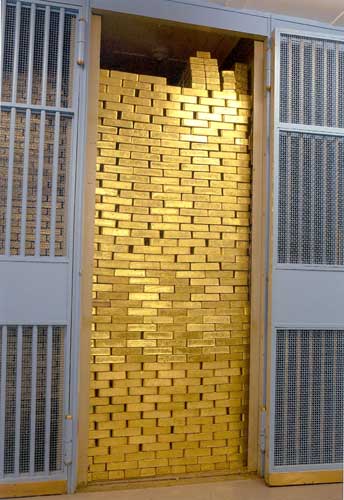
Central banks have been the dominant new source of gold demand for several years, buying steadily rather than trading in and out. 2024 saw record central bank purchases, driven by efforts (particularly among emerging-market central banks) to diversify reserves away from the US dollar following the freezing of Russian assets after its invasion of Ukraine. That buying has continued through 2026, providing structural support even during pullbacks like the current one.
Central bank demand isn’t cyclical the way seasonal demand is, but it matters for timing in a different way: it signals whether gold’s underlying case has changed. As long as central banks keep accumulating at an elevated pace, price pullbacks have tended to reflect short-term positioning (rate expectations, dollar strength) rather than a shift in long-term demand. For the full picture of what moves the gold price, see our guide: What Drives Gold and Silver Prices? Key Macroeconomic Factors to Watch.
None of these patterns should override your own reasons for selling — they explain why the price is doing what it’s doing, not when it will hit a specific level.
Is Gold Currently Overvalued?
Gold is not simple to declare overvalued or undervalued, because the answer depends on which yardstick you use, and the two most common ones point in different directions right now.
On a historical basis, gold still looks expensive: even after retreating from its January 2026 peak above $5,500, it’s up roughly 20% over the past year and multiples of where it traded a decade ago. Judged purely on the size and speed of that run-up, a further pullback wouldn’t be surprising.
On a structural basis, the picture looks different. Gold’s share of global financial assets sits at around 2.7–2.8%, well below both its 1980 peak of 8.3% and the 4–5% level some institutional analysts consider achievable. Roughly 72% of family offices reportedly hold no gold exposure at all. Central banks, meanwhile, remain firm buyers, with 2026 purchases tracking well above the pre-2022 average. By this measure, gold looks under-owned relative to its own history rather than overextended.
Is the Gold Price Going Up or Down?
Short-term, gold is trending down in 2026. It’s currently trading near an eight-month low, off about 26% from January’s record, as markets reprice US interest rate expectations toward hikes rather than cuts.
Medium-term, the analyst consensus points the other way. Mainstream 2027 year-end forecasts from J.P. Morgan, Goldman Sachs, and UBS cluster between $5,000 and $5,600, built on continued central bank buying and dollar weakness. Not every forecaster agrees on the pace: Morgan Stanley’s more cautious base case sits closer to $4,800, and Westpac expects a Q1 2027 peak followed by consolidation.
So the honest answer is that it depends on the time horizon you care about. Neither the short-term direction nor the “overvalued" debate should be the deciding factor in whether you sell today — that still comes down to your own return and your own reasons for holding.
Selling Gold: Process and Where to Go
Once you’ve decided to sell, the process itself is straightforward. Get a live quote against the current gold spot price, choose whether to sell online or in person, and confirm the dealer’s payment timeline before you commit.
At BullionStar, we buy back the products we sell at competitive rates that are listed on our website at all times, whether you’re selling online or in person at our Bullion Showroom in Singapore. The sell process is as straightforward as the buy process.
If you are not selling to BullionStar, or you’re unsure whether your current dealer offers fair buy-back terms, our guide on How to Choose a Gold Dealer covers what to look for, including transparent pricing and a genuine buy-back policy, so you don’t lose value at the point of sale.
Frequently Asked Questions
Should I sell gold during a recession?
Historically, no — recessions have tended to be a good time to hold gold, not sell it. Gold rose in every major recession of the past 50 years, or shortly after. There can be short-term selling pressure as investors liquidate assets broadly to raise cash, so if you’re selling out of necessity rather than choice, that’s a different situation entirely.
What’s the best month to sell gold?
Based on historical seasonal patterns, gold has tended to be firmest from August through February, as Indian wedding and festival demand (including Diwali) combines with Christmas and New Year buying. March through July has historically been the softer stretch. These are tendencies drawn from historical averages, not guarantees for any given year.
Will gold prices crash in 2026?
Most major institutions consider a crash unlikely, though gold has already seen a correction this year, down around 26% from its January 2026 peak above $5,500. The structural drivers behind gold’s multi-year rise (central bank buying, dollar weakness, geopolitical uncertainty) remain intact, and analyst consensus for 2027 points to prices recovering into the $5,000–$5,600 range rather than falling further. As with any forecast, this isn’t guaranteed.
Should I sell gold or wait for higher prices?
That depends on your reason for holding gold, not on trying to predict the next move. If you need the money now, or you’re satisfied with the return you’ve made, waiting for a higher price introduces risk without a clear benefit — gold could just as easily fall further as rise. If you don’t need the money and the reasons you bought gold haven’t changed, there’s no urgency to sell into a dip.
How do I know how much my gold is worth?
Your gold’s value is based on its weight and purity against the live gold spot price, plus or minus whatever premium or buy-back rate a dealer applies. Reputable dealers, including BullionStar, publish buy-back prices in real time against the gold spot price, so you can check what your holding is worth before deciding to sell.
Is it better to sell gold all at once or in stages?
Selling in stages can reduce the risk of selling everything at a single, potentially unfavourable price point, the same logic as dollar-cost averaging on the buy side. It suits investors who are uncertain about near-term direction or who don’t need the full proceeds immediately. Selling in one transaction is simpler and makes sense if you need the funds for a specific purpose or have a clear view that the price is unlikely to improve.
Do I have to pay tax when I sell gold?
It depends on where you live and the type of gold you hold. Some jurisdictions apply capital gains tax to profits from investment-grade bullion, while others, including Singapore, do not. Treatment can also differ between bullion and collectible or numismatic coins. Rules vary and change, so it’s worth checking with a local tax professional before selling a significant holding.
When Is the Best Time to Sell Gold? Key Takeaways
The honest answer to the question is that the best time to sell gold is when you’re ready to, and happy with the return you’ve made. Price context, seasonal patterns, and analyst gold price forecasts are useful for understanding why the market is doing what it’s doing, but none of them matter more than your own reasons for selling and what you need the money for.
Gold has rewarded patient holders over the long term. The investors who have struggled are more often those who tried to time an exact top, or who sold in a panic during a temporary dip rather than as part of a considered decision.
BullionStar makes selling as straightforward as buying. Get a live quote against the current gold spot price, sell online or in person at our Bullion Centre at 45 New Bridge Road, Singapore, and receive competitive, transparently listed buy-back rates on the products we sell. Start the process on our sell page, or contact our team at support@bullionstar.com with any questions.

Popular Blog Posts by Gold & Silver 101
 An Introduction to Gold & Silver Investing
 Should I Invest in Gold, Silver, or Platinum Bullion?
 Gold Coins vs Gold Bars: Which Is Better?
 How Is Gold Taxed in Singapore? The IPM GST Exemption Explained
 Storing Precious Metals, Gold, and Silver Bullion
 Gold & Silver Bullion Investing FAQs
 Gold Purity: The Complete Guide
 How Much Gold Is There in the World?
 Junk Silver: What It Is and What It’s Worth
 999 Fine Silver: Investment-Grade Silver Explained